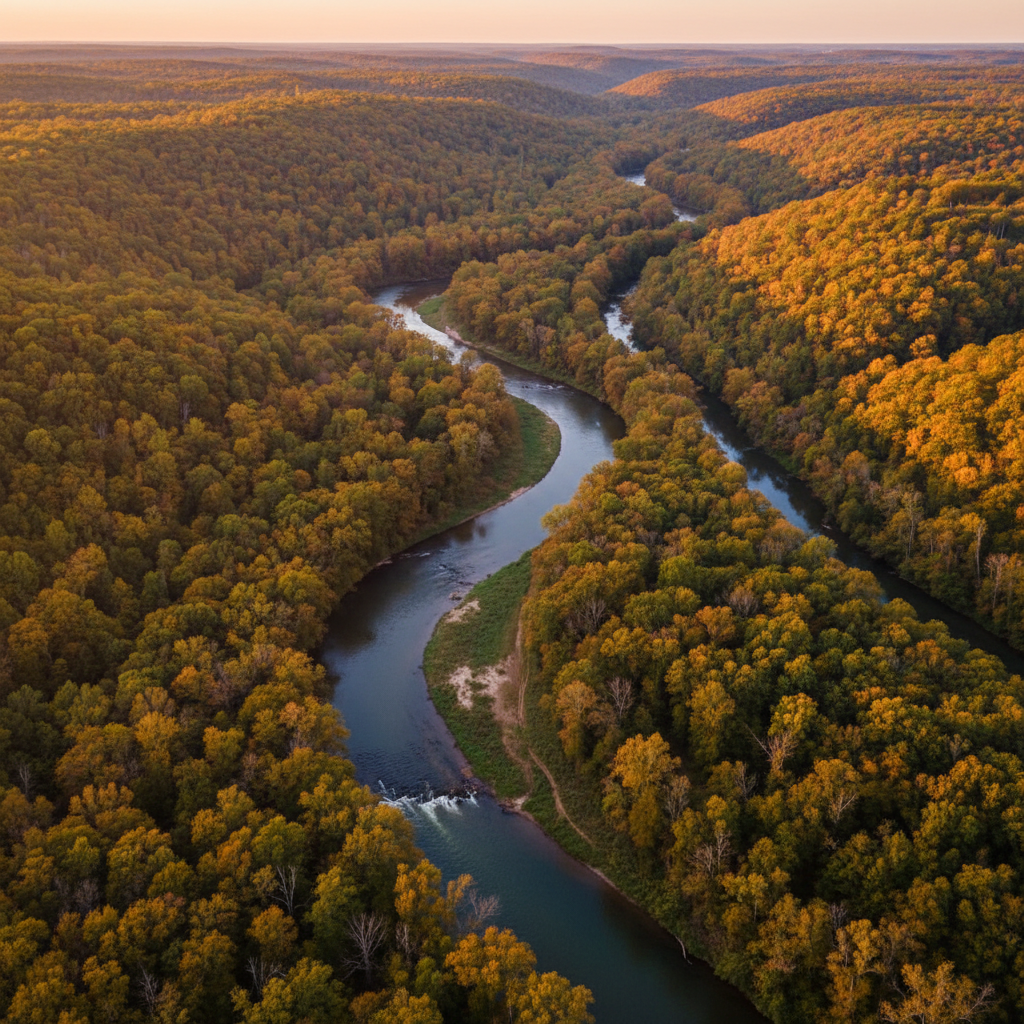
Cherokee Nation Water Rights and Resource Management: Sovereignty on the River
Osiyo! In the Cherokee language, water is often referred to as amâ, but its role in our lives goes far deeper than a simple noun. For the Cherokee Nation, water isn’t just a utility or a line item in a budget; it is a sacred relative, a sovereign boundary, and the literal lifeblood of our communities. However, the legal and political landscape surrounding Cherokee Nation water rights is as complex and turbulent as a river in flood stage.
Osiyo.net is an independently operated information platform. It is not an official website of any Tribal Nation, the Bureau of Indian Affairs, or any government agency. Always verify enrollment and legal information directly with the specific Tribal Nation.
When we talk about water in Northeast Oklahoma today, we are talking about a massive tug-of-war between a Tribal Nation exercising its inherent rights and a state government that has spent over a century trying to pretend those rights don’t exist. From the depths of the Arkansas Riverbed to the rural kitchen taps in Adair County, the fight for water is the ultimate test of tribal sovereignty in the 21st century.
The Legal Foundations: Why Cherokee Water Rights Matter
To understand where we are, we have to look at the legal bedrock. Most tribal water law in the United States rests on the Winters Doctrine, a 1908 Supreme Court precedent (Winters v. United States) which established that when the federal government created Indian reservations, it implicitly reserved enough water for those tribes to survive and thrive. Basically, you can’t have a homeland if you don’t have the water to live on it.
But the Cherokee Nation has an even stronger hand to play. Beyond the general Winters rights, the Five Tribes (Cherokee, Choctaw, Chickasaw, Muscogee, and Seminole) operate under what is often called the Five Tribes Doctrine. Because our ancestors were removed to Indian Territory under treaties that granted fee simple title to the land, our water rights are often considered “restricted fee” rights. This means they weren’t just “reserved” by the feds; they were part of the property we owned outright before Oklahoma even existed as a state.
The 1970 Arkansas Riverbed Victory
One of the most significant wins for Cherokee Nation water rights came in 1970. In the landmark case Choctaw Nation v. Oklahoma, the U.S. Supreme Court confirmed that the Cherokee, Choctaw, and Chickasaw Nations actually own the bed of the Arkansas River. For decades, the State of Oklahoma had been pocketing the lease money from oil and gas companies drilling in the riverbed. The Supreme Court called them out, ruling that the treaties of the 1830s never gave that riverbed away. Today, the Arkansas Riverbed Authority manages this 96-mile stretch, ensuring the tribes get their fair share of the resources.
Water Management and Infrastructure: More Than Just Lawsuits
While the lawyers battle it out in court, the Cherokee Nation is busy doing the actual work of keeping the water flowing. Sovereignty isn’t just about winning a case; it’s about having the capacity to manage your own resources. The Cherokee Nation’s Secretary of Natural Resources, currently Christina Justice, oversees a massive portfolio of environmental programs designed to protect amâ for the next seven generations.
The Wilma P. Mankiller and Charlie Soap Water Act
In 2021, Principal Chief Chuck Hoskin Jr. signed the Wilma P. Mankiller and Charlie Soap Water Act. This isn’t just a piece of paper; it’s a multi-million dollar commitment to rural infrastructure. Named after the legendary Chief Wilma Mankiller and her husband Charlie Soap—who famously led the Bell water line project in the 1980s—the act has funneled over $120 million into water and wastewater projects across the reservation.
The goals of this act are punchy and practical:
- Identify every Cherokee citizen whose home lacks access to a safe, reliable water supply.
- Modernize aging rural water systems that the state has allowed to crumble.
- Ensure sustainability through rigorous monitoring and data collection.
If you are looking into your family history or researching Cherokee ancestry, you’ll find that many of our historic communities were built around shared water sources. This act honors that history by ensuring those communities don’t die of thirst in the modern era.
Comparison of Cherokee Water Interests
It is important to remember that there are three federally recognized Cherokee tribes, and their relationship with water varies based on their geography and legal history.
| Tribal Nation | Primary Water Issues | Key Legal Framework |
|---|---|---|
| Cherokee Nation (OK) | Arkansas Riverbed ownership, rural infrastructure, unquantified Winters rights. | 1835 Treaty of New Echota, 1970 Riverbed Case. |
| Eastern Band of Cherokee Indians (NC) | Rights of Nature (Longperson Resolution), brook trout conservation. | Qualla Boundary trust status, Clean Water Act TAS. |
| United Keetoowah Band (OK) | Resource access for land-into-trust parcels, community health. | Federal trust responsibility. |
The “Midnight Rider” and the Battle for Clean Water
Now, let’s talk about the edgy stuff—the stuff the Oklahoma tourism board won’t tell you. Even though the Supreme Court’s McGirt decision affirmed that the Cherokee Nation Reservation was never disestablished, the state government has found “creative” (read: dirty) ways to block tribal environmental authority.
In 2005, an obscure provision known as the “Midnight Rider” was slipped into a massive federal transportation bill (SAFETEA). This rider prevents tribal nations in Oklahoma from being treated as a state (TAS status) for many EPA programs unless they get the State of Oklahoma’s permission. This was a direct, pre-emptive strike against tribal sovereignty. While the Cherokee Nation has successfully secured TAS status for lead abatement and air quality, the state continues to use this law to gatekeep water quality standards.
Why does this matter? Because if the Cherokee Nation cannot set its own water quality standards, it cannot stop upstream polluters—like massive poultry farms or industrial sites—from dumping waste into rivers that flow onto the reservation. The state’s refusal to collaborate isn’t just a political disagreement; it’s a direct threat to the health of Cherokee citizens.
Key Takeaways
- Unquantified Rights: Unlike some other tribes in Oklahoma, the Cherokee Nation’s water rights are largely unquantified, meaning a massive legal battle or settlement is likely on the horizon.
- Riverbed Ownership: The Cherokee Nation is a co-owner of the Arkansas Riverbed, a right confirmed by the Supreme Court in 1970.
- Infrastructure Priority: Through the Mankiller/Soap Water Act, the Nation is investing hundreds of millions into ensuring rural Cherokee homes have running water.
- State Obstruction: The 2005 “Midnight Rider” provision remains a major hurdle for the tribe to exercise full environmental jurisdiction over its waters.
FAQ: Common Questions About Cherokee Water
Does the Cherokee Nation own all the water in Northeast Oklahoma?
Not exactly. The Nation asserts significant Cherokee Nation water rights based on 19th-century treaties, but these rights have not yet been “quantified” (meaning a specific volume has not been legally set). The tribe co-owns the bed of the Arkansas River but shares regulatory space with the state and federal government.
Can the State of Oklahoma stop the Cherokee Nation from managing its water?
The state certainly tries. Using the SAFETEA “Midnight Rider,” the state currently limits the tribe’s ability to set certain EPA-backed water quality standards. However, the tribe continues to manage its own infrastructure and environmental monitoring programs independently through the Secretary of Natural Resources.
What is the Mankiller/Soap Water Act?
It is a landmark tribal law passed in 2021 that allocates millions of dollars to provide clean, safe water to Cherokee citizens, particularly those in underserved rural areas within the reservation boundaries.
How do these water rights affect me as a tribal citizen?
If you live on the reservation, these rights ensure that the tribe has the legal standing to protect your drinking water from pollution and to build the systems necessary to get water to your home. It’s about protecting the long-term health and economy of the Cherokee people.
Next Steps: Where to Go From Here
Water rights are not just for lawyers; they are for every person who calls the Cherokee Nation home. If you want to dive deeper, here is how to take action:
- Contact the Secretary of Natural Resources: Visit the official Cherokee.org website to learn more about current water quality reports and infrastructure projects in your county.
- Stay Informed on Legal Changes: Follow updates regarding the legal jurisdiction of the reservation following the McGirt and Castro-Huerta rulings.
- Support Conservation: Participate in local water conservation efforts and report environmental concerns to the Cherokee Nation Environmental Programs (CNEP).
- Learn the History: Read about the Dawes Rolls and removal treaties to understand how our ancestors’ fight for land is directly connected to today’s fight for water.
Last reviewed: June 2026
Osiyo.net is an independently operated information platform. It is not an official website of any Tribal Nation, the Bureau of Indian Affairs, or any government agency. Always verify enrollment information directly with the specific Tribal Nation.