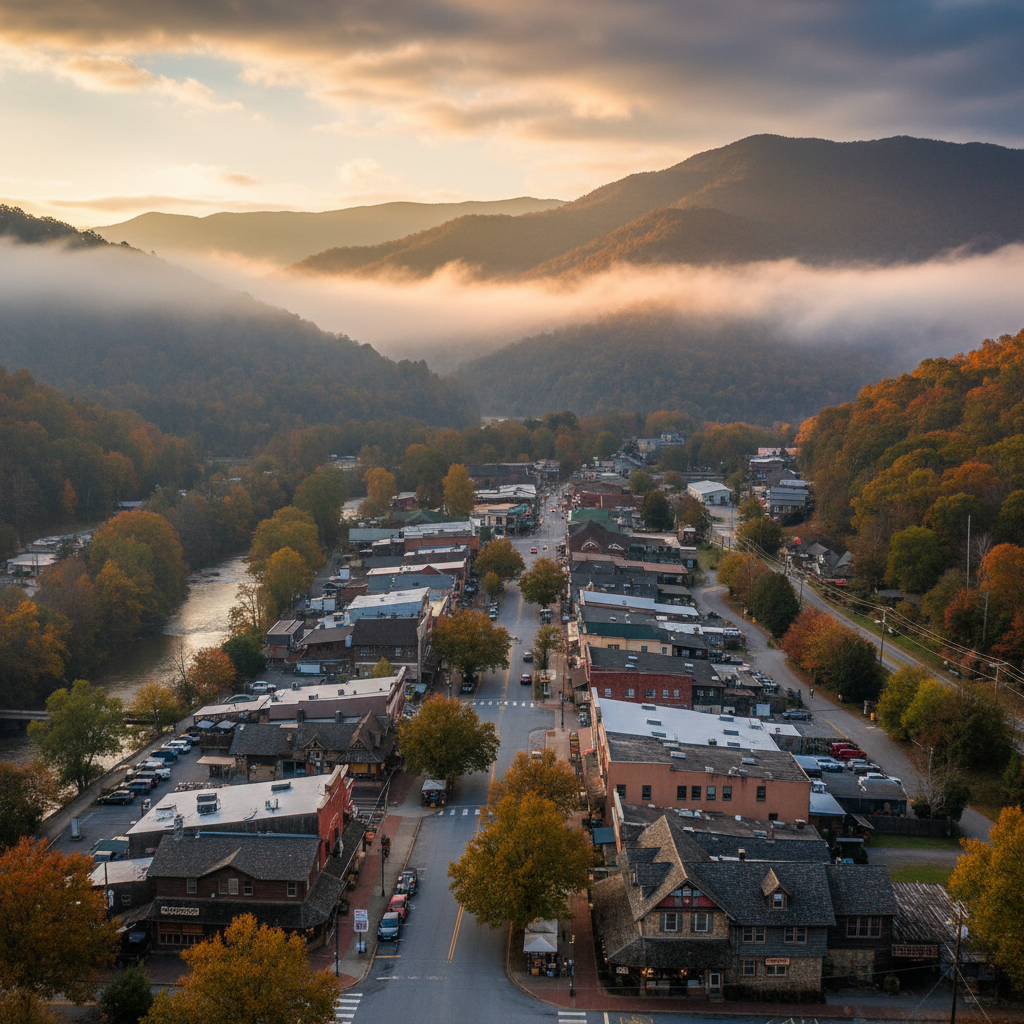
Cherokee, North Carolina: Gateway to the Qualla Boundary
Osiyo! Welcome to a place where the mist clings to the Great Smoky Mountains and the history is as deep as the valleys. If you are looking for Cherokee, North Carolina, you aren’t just looking for a mountain town with kitschy souvenir shops and beautiful scenery. You are looking for the home of the Eastern Band of Cherokee Indians (EBCI). Before we dive into the details, let’s get one thing straight: Osiyo.net is an independent platform. We aren’t the tribal government, we aren’t the BIA, and we aren’t here to tell you if you qualify for a tribal ID. We are your knowledgeable guide, helping you navigate the complex, beautiful, and often misunderstood world of the Qualla Boundary.
Key Takeaways for Your Visit
- The Qualla Boundary is not a reservation: It is a land trust owned by the Eastern Band of Cherokee Indians, purchased back after the forced removals of the 1830s.
- Sovereignty is real: The EBCI is a sovereign nation with its own laws, government, and enrollment criteria.
- Know the Tribes: The EBCI is one of three federally recognized Cherokee tribes, distinct from the Cherokee Nation and the United Keetoowah Band in Oklahoma.
- Respect the Culture: When you visit, you are a guest in a living community, not an extra in a movie.
- Official Info: Always check ebci.com for the most up-to-date tribal government information.
Not Your Typical Reservation: Understanding the Qualla Boundary
When people talk about “Cherokee, North Carolina,” they are usually referring to the town and the surrounding 57,000 acres known as the Qualla Boundary. But don’t call it a reservation in front of a local historian unless you want a lecture. Most reservations were land “reserved” by the federal government for a tribe. The Qualla Boundary was different. After the 1838 Trail of Tears—a brutal, state-sponsored ethnic cleansing that forced thousands of Cherokee west—a small group of Cherokee remained in the mountains of North Carolina. Because they weren’t considered citizens and couldn’t legally own land, a white man named William Holland Thomas (who was adopted by the tribe) bought land in his own name for the Cherokee to live on. Eventually, after decades of legal battles and the 1868 North Carolina constitution, the EBCI gained formal recognition and the land was placed into a federal trust. It belongs to the people. This distinction matters because it underscores the resilience and sheer grit of the Eastern Band.
The Three Tribes: Who is Who?
Confusion is the enemy of respect. If you are researching your ancestry or planning a trip, you must understand that there isn’t just one “Cherokee Tribe.” There are three federally recognized Cherokee nations, each with its own history and government. You can find more detail on our page about the three federally recognized Cherokee tribes.
| Tribal Nation | Location | Enrollment Basis |
|---|---|---|
| Eastern Band of Cherokee Indians (EBCI) | Cherokee, NC | Baker Roll (1924) & Blood Quantum |
| Cherokee Nation (CN) | Tahlequah, OK | Dawes Rolls & Lineal Descent |
| United Keetoowah Band of Cherokee Indians (UKB) | Tahlequah, OK | Dawes Rolls & Blood Quantum |
If you are in Cherokee, North Carolina, you are in the territory of the EBCI. Their rules for citizenship are unique to them. They currently require a minimum blood quantum (1/16th) and a direct ancestor on the 1924 Baker Roll. This is different from the Cherokee Nation in Oklahoma, which does not use a blood quantum minimum. Always remember: Osiyo.net does not determine eligibility. You must contact the EBCI enrollment office directly for those questions.
Authentic Culture vs. Tourist Traps
Let’s be real: Cherokee, NC has its share of “chiefing”—the practice of performers wearing Western-style headdresses (which are not traditional to the Cherokee) to take photos with tourists. It’s a relic of an era when the only way for Native people to survive economically was to play into white expectations of what an “Indian” looked like. While it still exists, the community is moving toward much more authentic representation. To see the real Cherokee, you need to look a little deeper. Check out the Museum of the Cherokee People. It isn’t a collection of dusty artifacts; it’s a powerful, sometimes heartbreaking, and ultimately triumphant narrative of a people who refused to disappear. For an immersive experience, the Oconaluftee Indian Village takes you back to the 1760s, showing you the techniques of basket weaving, canoe carving, and finger weaving that are still practiced today. And of course, “Unto These Hills” is the outdoor drama that tells the tribe’s story from the first contact with Europeans to the Trail of Tears. It’s punchy, dramatic, and essential viewing.
Sovereignty and the Modern Economy
Cherokee, North Carolina is a powerhouse of tribal sovereignty in action. The EBCI doesn’t just rely on tourism; they have diversified into gaming, hospitality, and federal contracting. Harrah’s Cherokee Casino Resort is a major regional employer and funds everything from education to healthcare for tribal citizens. But sovereignty is about more than money; it’s about the right to self-govern. The EBCI has its own court system, police force, and hospital. When you are on the Qualla Boundary, you are under tribal jurisdiction. This is a point of pride and a vital part of the nation’s survival. You might also want to read about what TERO is to understand how tribal employment rights work on the Boundary.
“The history of the Cherokee is a history of survival. We have been moved, we have been pressured to assimilate, but we are still here, on the land of our ancestors, speaking our language and practicing our traditions.”
Navigating the Land and Nature
Cherokee serves as one of the main entrances to the Great Smoky Mountains National Park. The Oconaluftee Visitor Center is a great starting point, where you can often see the local elk herd grazing in the fields at dawn or dusk. The elk were reintroduced to the park in 2001 and have flourished. When viewing wildlife or exploring the Mingo Falls or Soco Falls, remember that this land is sacred. Treat it with the same respect you would a cathedral. For tips on how to behave when visiting, see our guide on visiting tribal communities respectfully.
Researching Your Connection
If you’ve come to Cherokee, North Carolina because you believe you have ancestors who were EBCI, you have a specific path to follow. Unlike the Oklahoma tribes, which use the Dawes Rolls as their foundational record, the EBCI uses the 1924 Baker Roll. Researching this requires looking at federal census records, the Guion Miller Roll, and specifically the Baker Roll. Do not rely on DNA tests for tribal citizenship; they don’t work that way. Tribal nations don’t accept a 2% result from a kit as proof of belonging. They require documented paper trails. Check out our resources on how to research Cherokee ancestry for a step-by-step breakdown of how to find the records you need.
FAQ: Common Questions About Cherokee, NC
Is the Qualla Boundary the same as a reservation?
Technically, no. It is a “land trust.” While it functions similarly to a reservation in terms of federal protection and tribal sovereignty, the land was purchased by the Cherokee people themselves after the Removal era, rather than being land “reserved” for them by the U.S. government.
Can I live in Cherokee if I’m not a tribal citizen?
You can live in the surrounding areas of Western North Carolina, but land ownership within the Qualla Boundary is generally reserved for tribal citizens. There are specific lease arrangements for businesses and some residents, but the land is held in trust for the tribe.
Which Cherokee tribe is the “real” one?
All three! The Eastern Band of Cherokee Indians (NC), the Cherokee Nation (OK), and the United Keetoowah Band (OK) are all federally recognized sovereign nations. They represent different branches of the same historical people who were separated by the forces of colonization and removal.
Do I need a special permit to visit?
No. The town of Cherokee and the main tourist areas of the Qualla Boundary are open to the public. However, you should always respect “No Trespassing” signs on private tribal land and follow all local laws, especially concerning fishing and photography in ceremonial areas.
Where to Go From Here: Your Action Plan
- Visit the Museum: Make the Museum of the Cherokee People your first stop to get the historical context you need.
- Check the Records: If you are researching family history, visit the National Archives or use official databases to look for the Baker Roll. Don’t start with enrollment; start with genealogy.
- Support Tribal Businesses: When you buy crafts, look for the “Authentic Cherokee” seal to ensure your money is supporting actual EBCI artists and not mass-produced imports.
- Read Up: Before you go, read more about tribal citizenship rules to understand the legal framework of the people you are visiting.
- Contact the Tribe: For official government business or enrollment questions, go straight to the source at ebci.com.
Cherokee, North Carolina is more than just a gateway to the Smokies. It is a testament to the endurance of a people who refused to be erased from their homelands. Whether you are there for the history, the scenery, or to find your own roots, walk softly and keep your eyes open. There is a lot to learn if you’re willing to listen.
Last reviewed: June 2026
Osiyo.net is an independently operated information platform. It is not an official website of any Tribal Nation, the Bureau of Indian Affairs, or any government agency. Always verify enrollment information directly with the specific Tribal Nation.