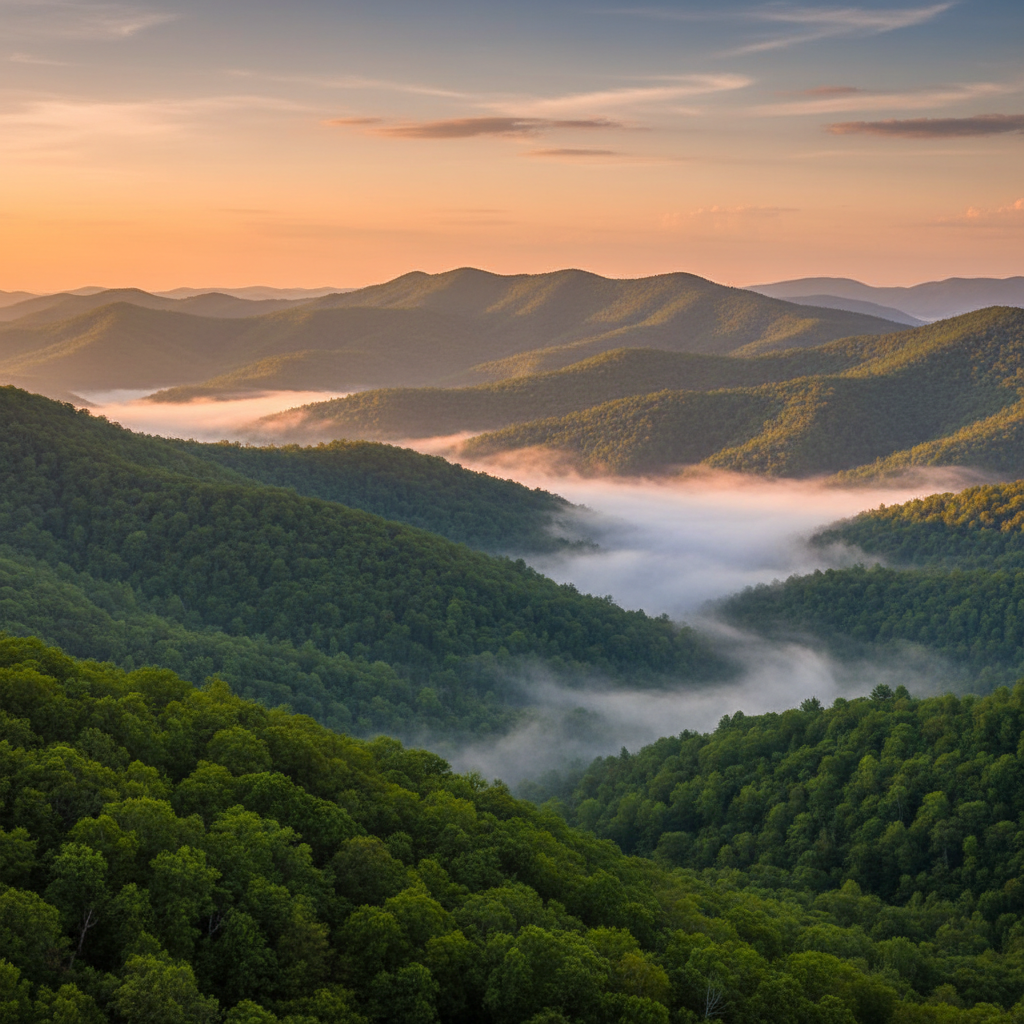
Exploring the Cherokee National Forest: A Journey Through Ancestral Homelands
The Cherokee National Forest isn’t just a place for hiking boots and river rafts; it is a sprawling, living testament to the endurance of the Cherokee people. Stretching across the Southern Appalachian Mountains in East Tennessee, this 650,000-acre landscape is more than a federal recreation site managed by the U.S. Forest Service. It is the heart of a homeland. Before we dive into the emerald canopies and rushing whitewater, let’s get one thing straight: Osiyo.net is an independent information platform. We aren’t a government agency, and we aren’t an official tribal outlet. We’re here to give you the real story—the history that isn’t always on the trailhead signs and the context you need to visit this land with respect.
Key Takeaways for Your Visit
- Sovereign History: The forest sits on the ancestral lands of the Cherokee, who were forcibly removed in the 1830s.
- Three Distinct Tribes: Today, the Cherokee people are represented by three federally recognized sovereign nations: the Cherokee Nation, the Eastern Band of Cherokee Indians, and the United Keetoowah Band of Cherokee Indians.
- Divided Landscape: The forest is split into North and South zones, separated by the Great Smoky Mountains National Park.
- Respectful Visitation: Travelers should acknowledge they are on indigenous land and follow specific protocols to protect cultural sites.
- Recreation Hub: It is home to the world-famous Ocoee River, the Appalachian Trail, and the high-altitude wonders of the Unaka Mountains.
A Land with a Story: The History of Cherokee National Forest
You can’t talk about the Cherokee National Forest without talking about the theft of it. For centuries, the Cherokee (Tsalagi) people lived in structured towns across these mountains, maintaining a sophisticated society with its own government, language, and legal systems. The mountains weren’t a “wilderness” to them; they were home. However, the discovery of gold and the hunger for land by white settlers led to the Indian Removal Act of 1830. This resulted in the Trail of Tears, a state-sponsored ethnic cleansing that forced the majority of Cherokee people west to Indian Territory (modern-day Oklahoma).
“The mountains are our witnesses. They remember the songs, the prayers, and the footsteps of those who were forced to leave, and those who stayed behind against all odds.”
The forest as we know it today was established in 1920. While the U.S. Forest Service manages the timber and trails, the land remains spiritually and culturally tied to the three federally recognized Cherokee tribes. When you hike these trails, you are walking on land that was never truly surrendered in the hearts of its original stewards. Today, each of these three federally recognized Cherokee tribes maintains a unique relationship with their ancestral East Tennessee homelands.
Understanding the Three Cherokee Nations
When people visit the Cherokee National Forest, they often ask, “Where are the Cherokee people now?” Tribal identity isn’t a monolith, and sovereignty is the key. Each nation is a self-governing body that determines its own laws and enrollment criteria. Do not assume that because you have a family legend about a “Cherokee Princess,” you qualify for citizenship. Enrollment is a legal process, not a DNA result. For more on this, check out our guide on how to research Cherokee ancestry properly.
| Tribal Nation | Location | Historical Context |
|---|---|---|
| Cherokee Nation | Tahlequah, OK | The largest tribe, composed of descendants of those who survived the Trail of Tears. |
| Eastern Band of Cherokee Indians (EBCI) | Cherokee, NC | Descendants of those who remained in the mountains or returned from the Trail; located in the Qualla Boundary. |
| United Keetoowah Band (UKB) | Tahlequah, OK | Descendants of the “Old Settlers” who moved west before the forced removal of 1838. |
The EBCI is the closest to the forest geographically, residing just across the state line in North Carolina. They continue to collaborate with federal agencies on land management and the protection of sacred sites within the forest boundaries. To learn more about their current government, visit the official Eastern Band of Cherokee Indians website.
The North and South: Exploring the Forest’s Geography
The Cherokee National Forest is a bit of a geographical oddity. It’s essentially two separate forests split right down the middle by the Great Smoky Mountains National Park. Each section has its own vibe and must-see spots.
The Northern Zone: Unaka and Watauga
The northern section near Bristol and Johnson City is defined by rugged, high-altitude peaks. This is where you’ll find the Unaka Mountains and the stunning Watauga Lake. If you’re looking for the Appalachian Trail (AT), a significant portion of it winds through here. The hiking is brutal on the calves but incredible for the soul. The northern zone also holds the Watauga River, famous for its trophy trout fishing. For those interested in the deep history of the region, this area was one of the first places where Euro-American settlers illegally encroached on Cherokee territory in the late 1700s.
The South Zone: Ocoee and Tellico
The southern section, near Cleveland and Benton, is the adrenaline junkie’s playground. The Ocoee River hosted the 1996 Olympic whitewater events, and it remains one of the most popular rafting destinations in the country. But it’s not all about the rapids. The Tellico River area is legendary for its waterfalls, specifically Bald River Falls. More importantly, the south zone contains the Unicoi Turnpike, a segment of the Trail of Tears where thousands of Cherokee people were marched away from their homes. When visiting these sites, take a moment to acknowledge the gravity of what happened on these paths.
Protecting the Sacred: Respectful Exploration
Because the Cherokee National Forest is federal land, it is subject to the Archaeological Resources Protection Act. This means you cannot—and should not—remove any artifacts you find. Whether it’s an arrowhead or a piece of pottery, leave it where it lies. These aren’t just “cool rocks”; they are the property of a sovereign history. Looting isn’t just a jerk move; it’s a federal crime that erases the physical evidence of indigenous presence on the land.
Furthermore, many areas within the forest remain sacred to the Cherokee people for ceremonial or historical reasons. If you see signs indicating a sensitive area or a closed site, respect them. Don’t be that tourist who prioritizes an Instagram photo over tribal sovereignty and cultural privacy.
Recreation Opportunities
- Whitewater Rafting: The Ocoee and Hiwassee Rivers offer everything from Class IV rapids to gentle floats.
- Hiking: With over 600 miles of trails, including the Benton MacKaye Trail, there is a path for every skill level.
- Camping: From developed campgrounds like Chilhowee to backcountry sites, the forest offers deep immersion in the Appalachian woods.
- Wildlife Viewing: Black bears, elk, and bald eagles are all residents here. Keep your distance—this is their home, not a petting zoo.
For official maps and current alerts on trail closures, always consult the USDA Forest Service website before heading out. They are the primary authority on physical forest conditions.
FAQ: Common Questions About the Cherokee National Forest
Is the Cherokee National Forest the same as the Smoky Mountains?
No. While they are neighbors in East Tennessee, the Cherokee National Forest is managed by the U.S. Forest Service (Department of Agriculture), while the Great Smoky Mountains National Park is managed by the National Park Service (Department of the Interior). The National Forest allows for more diverse land uses, including hunting and certain types of resource extraction, which are prohibited in the National Park.
Are there still Cherokee people living in the forest?
The forest is public land, but the Eastern Band of Cherokee Indians (EBCI) lives nearby on the Qualla Boundary in North Carolina. Many Cherokee people from all three recognized tribes visit the forest for cultural reasons, but the land is no longer a primary residential area for the tribes due to the history of forced removal.
Do I need an “Indian Card” to visit?
No. The forest is open to the general public. However, if you are asking about tribal citizenship for other reasons, you should read our breakdown on what an Indian card actually is. It’s a common misconception that tribal membership is just a pass for parks; it is a political status within a sovereign nation.
Can I find my ancestors’ records in the forest?
The forest itself doesn’t hold genealogical records, but the region is the site of many historical events listed in federal rolls. If you believe your family was from this area, your best bet is to start with the final rolls search to see if your ancestors were documented during the removal or enrollment periods.
Next Steps: Where to Go From Here
- Plan Your Trip: Check the Forest Service site for seasonal closures and permits.
- Educate Yourself: Read more about the official tribal nation websites to understand their current culture and governance.
- Be a Responsible Visitor: Practice Leave No Trace principles and respect all historical and cultural signage.
- Dig Deeper into History: Visit the Sequoyah Birthplace Museum or the Cherokee Heritage Center (in Oklahoma) to see the full scope of Cherokee resilience.
The Cherokee National Forest is a place of breathtaking beauty and heartbreaking history. By acknowledging both, you ensure that your visit honors the land and the people who have called it home since time immemorial. Enjoy the views, but carry the history with you.
Last reviewed: June 2026
Osiyo.net is an independently operated information platform. It is not an official website of any Tribal Nation, the Bureau of Indian Affairs, or any government agency. Always verify enrollment information directly with the specific Tribal Nation.