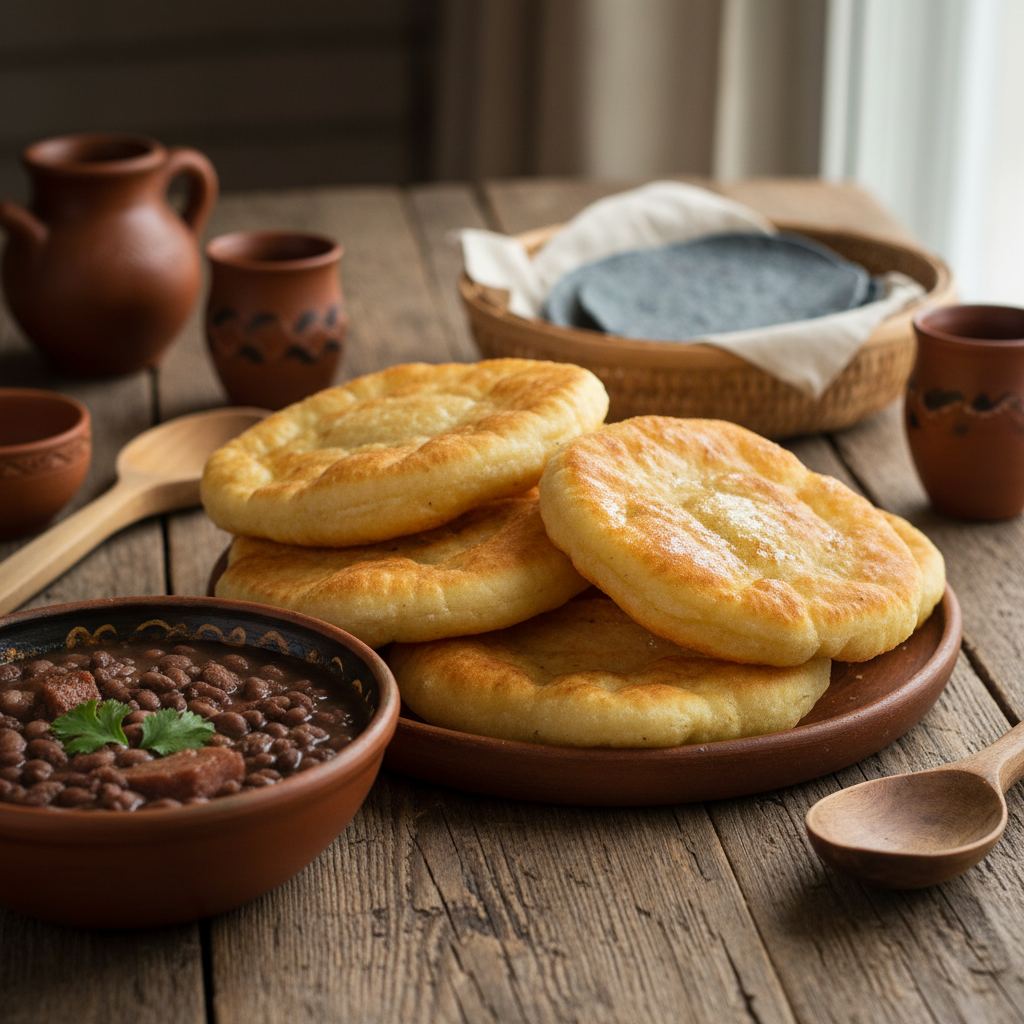
Cherokee Fry Bread and Bean Bread Traditions
Osiyo! Welcome to a deeper look at the flavors that define Cherokee identity. If you have ever walked through a gathering at the Cherokee Nation in Oklahoma or visited the Eastern Band of Cherokee Indians in the Smokies, you have likely smelled it before you saw it: the golden, crispy scent of Cherokee fry bread and the earthy, steaming aroma of traditional bean bread. But before we dig into the flour and the cornmeal, let’s get the record straight. Osiyo.net is an independent information platform. We are not an official website of any Tribal Nation or government agency. We aren’t here to tell you if you qualify for enrollment—only a sovereign Tribal Nation can do that. If you are looking for your roots, check out our guide on how to research Cherokee ancestry and then contact the tribal registration offices directly.
Tradition vs. Survival: A Tale of Two Breads
In the world of Cherokee cuisine, there is a fundamental distinction between what is ancient and what is a product of resilience. Often, people lump all “Native food” into one category, but Cherokee fry bread and bean bread (known as Tuya Asuyi Gadu) represent two very different chapters of our history. One is a legacy of the land we have known for millennia; the other is a story of survival in the face of forced removal and government rations.
Understanding these foods requires understanding the sovereignty of the three federally recognized Cherokee tribes: the Cherokee Nation (Oklahoma), the Eastern Band of Cherokee Indians (North Carolina), and the United Keetoowah Band of Cherokee Indians (Oklahoma). Each nation has its own culinary nuances, but the reverence for these staples remains a common thread. To understand the legal landscape behind these nations, you might want to read about the three federally recognized Cherokee tribes in more detail.
Key Takeaways
- Bean Bread (Tuya Asuyi Gadu) is the ancestral, pre-contact staple made from corn and beans.
- Fry Bread is a post-removal creation born from government-issued rations (commodity flour, lard, and sugar).
- Each of the three federally recognized Cherokee tribes maintains its own food traditions and enrollment rules.
- Food is a vessel for history—addressing the health impacts of fry bread is just as important as celebrating its taste.
- Osiyo.net is independent; always consult official sources like the Cherokee Nation or EBCI for official matters.
Bean Bread: The Soul of the Cherokee Table
If you want to taste the history of the Cherokee people before the interruptions of colonialism, you look to the corn. Bean bread, or Tuya Asuyi Gadu, is not a “bread” in the European sense. There is no yeast, no kneading, and originally, no wheat flour. It is a dense, hearty dumpling made from cornmeal and cooked brown beans.
Traditionally, the process was a community affair. Corn was ground into meal, mixed with boiled beans and a bit of the bean liquor (the liquid left over from boiling), shaped into discs, and wrapped in corn husks or even hickory leaves. These were then boiled until firm. The result? A nutrient-dense, portable meal that could sustain a person through a long day of work or travel.
The Science of Nixtamalization
Our ancestors weren’t just lucky cooks; they were chemists. They practiced nixtamalization—treating corn with an alkaline solution (like wood ash lye). This process doesn’t just make the corn easier to grind; it unlocks essential nutrients like niacin (Vitamin B3) and protein that are otherwise chemically bound inside the grain. This prevented diseases like pellagra, which ravaged European settlers who didn’t understand how to process corn properly. When you eat traditional Cherokee bean bread, you are eating thousands of years of indigenous scientific brilliance.
The Complicated History of Fry Bread
Let’s talk about the elephant in the kitchen: Cherokee fry bread. While it is a beloved staple at powwows and family dinners today, its origin is rooted in a dark period of historical injustice. When the federal government forcibly removed Cherokee people from our homelands—most notably during the Trail of Tears—we were stripped of our ability to hunt, fish, and farm our traditional crops.
In place of our rich, diverse diet, the U.S. government provided “commodity” rations: white flour, lard, sugar, and salt. Fry bread was an act of survival. It was a way to turn meager, nutrient-poor ingredients into something filling. It is the “soul food” of Indian Country—born from struggle, seasoned with resilience, and eventually adopted as a symbol of pan-Indian identity.
“Fry bread is the story of us making something out of nothing. It is a reminder of what we lost, but also a testament to the fact that we are still here.”
However, we have to be honest about the edge here. The shift from a corn-and-bean-based diet to a flour-and-lard-based diet has had devastating long-term health effects on our communities, including high rates of diabetes and heart disease. Many modern Cherokee chefs are now leading a “decolonize your diet” movement, encouraging a return to ancestral foods like bean bread, squash, and game meats.
Comparing the Two Staples
To help you understand the differences, let’s look at the ingredients and methods side-by-side:
| Feature | Traditional Bean Bread (Tuya Asuyi Gadu) | Cherokee Fry Bread |
|---|---|---|
| Primary Ingredient | Cornmeal (Nixtamalized) | Wheat Flour |
| Cooking Method | Boiled (often wrapped in husks) | Deep Fried in oil or lard |
| Historical Origin | Pre-contact (Ancient) | Post-removal (19th Century) |
| Texture | Dense, moist, earthy | Light, fluffy, crispy |
| Health Profile | High fiber, complex carbs, protein | High calorie, simple carbs, fats |
The Cultural Role of Food in the Three Nations
While the ingredients might be similar, how these breads are served can vary between the three federally recognized tribes. These nations are sovereign governments, and their cultural departments work hard to preserve these distinct culinary identities.
Cherokee Nation (Oklahoma)
In the Cherokee Nation, you’ll find bean bread served at most formal gatherings and at the annual Cherokee National Holiday. It’s often paired with “Grape Dumplings” (made from Possum Grapes) and wild onions and eggs in the spring. If you’re visiting the capital in Tahlequah, you’ll see how food is used to bridge the gap between history and modern life. Check their official website for cultural events.
Eastern Band of Cherokee Indians (North Carolina)
The EBCI in the Qualla Boundary has a particularly strong connection to the ancient ways of preparing bean bread, often using specific local varieties of corn and beans that have been passed down through families for generations. When visiting, you might see demonstrations at the Oconaluftee Indian Village. Be sure to learn about visiting tribal communities respectfully before you head out.
United Keetoowah Band of Cherokee Indians (Oklahoma)
The UKB places a heavy emphasis on traditionalism. For Keetoowah people, food is often tied to ceremonial life. Bean bread isn’t just a side dish; it’s a connection to the ancestors who hid in the mountains to maintain their way of life during the removal era.
How to Support Authentic Cherokee Culinary Arts
If you are looking to experience these traditions, don’t just search for a recipe online and call it a day. Cherokee identity is lived. Here is how you can engage authentically:
- Buy from Cherokee Vendors: When visiting Cherokee areas, look for TERO-certified vendors or tribal citizens selling at local markets. You can learn more about what TERO means for tribal business.
- Learn the Language: Food is a great way to start learning Cherokee. Practice saying Tuya Asuyi Gadu (Bean Bread) or Gadu (Bread).
- Respect the Sovereignty: Remember that every time you buy a piece of fry bread at a sanctioned tribal event, you are supporting the economic sovereignty of that nation.
FAQ: Common Questions About Cherokee Bread
Is fry bread actually “Indian Food”?
Yes and no. It is a staple of modern Native American culture across many tribes, but it is not an ancestral food. It was created using ingredients provided by the U.S. government during the reservation and removal eras. Ancestral Cherokee food is centered on corn, beans, and squash (The Three Sisters).
Do you need a CDIB card to make bean bread?
Of course not! Anyone can appreciate and cook these foods. However, representing yourself as a “Cherokee artist” or selling food as an “official Cherokee product” is regulated by the Indian Arts and Crafts Act. For more on documentation, see our guide on CDIB vs. Tribal Citizenship.
What kind of beans are used in bean bread?
Traditionally, a small brown bean often called a “Cherokee Trail of Tears Bean” or similar heirloom varieties are used. In a pinch, many modern cooks use pinto beans or kidney beans, but the texture of a dried brown bean is most traditional.
Can I find these breads at a grocery store?
Rarely. These are specialty items usually found at tribal gatherings, specialized cafes in tribal capitals, or made in the homes of tribal citizens. You won’t find authentic Tuya Asuyi Gadu in a standard supermarket chain.
Next Steps: Where to Go From Here
If your mouth is watering and you want to dive deeper into the world of Cherokee heritage and resources, here are your next action items:
- Research Your Family History: If you believe you have Cherokee ancestors who might have made these breads, start your journey at our Final Rolls search page.
- Visit Official Sites: For the most accurate and up-to-date information on tribal events where these foods are served, visit the official government sites of the Cherokee Nation, UKB, or EBCI.
- Explore the Records: To understand the context of the removal era that gave birth to fry bread, look into the National Archives records on the Dawes Rolls.
- Read More on Osiyo.net: Check out our article on questions to ask your elders to see if there are any family recipes or food stories waiting to be discovered.
Food is more than just calories; it is a map of where we have been and a promise of where we are going. Whether you are biting into a piece of crispy fry bread or a hearty slice of bean bread, you are participating in a story of survival, sovereignty, and strength.
Last reviewed: June 2026
Osiyo.net is an independently operated information platform. It is not an official website of any Tribal Nation, the Bureau of Indian Affairs, or any government agency. Always verify enrollment information directly with the specific Tribal Nation.