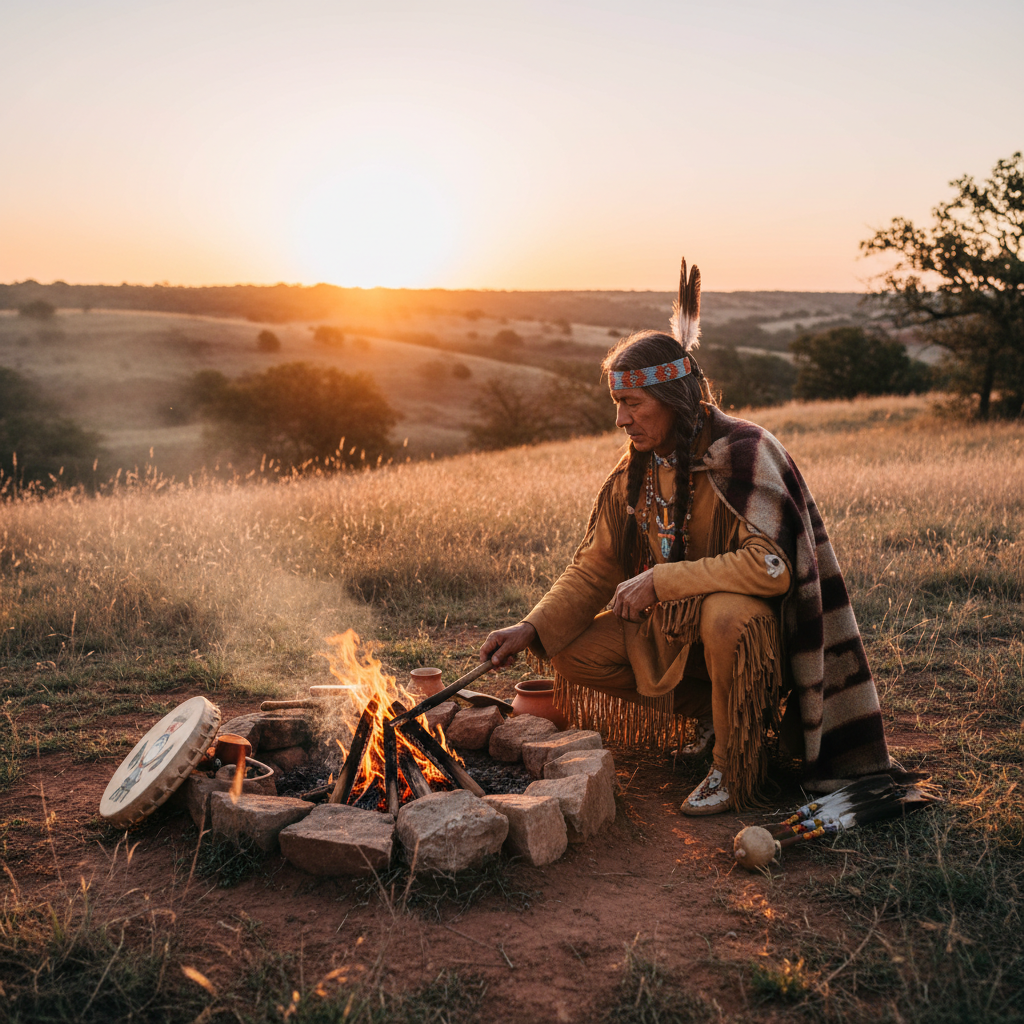
Cherokee Nation Health Services: Self-Governance in Action
Osiyo! Welcome to a deep dive into one of the most powerful expressions of tribal sovereignty in the modern era: Cherokee Nation Health Services (CNHS). Before we get into the details, let’s be clear: Osiyo.net is an independent platform. We aren’t the tribal government, and we don’t handle your medical records. We’re here to provide the map so you can navigate the system with confidence.
When we talk about Cherokee Nation Health Services, we aren’t just talking about a collection of clinics and hospitals. We are talking about a hard-won victory of self-determination. For decades, healthcare for Indigenous people was managed (and often mismanaged) by the federal government through the Indian Health Service (IHS). Today, the Cherokee Nation operates the largest tribally owned health system in the United States. This is what it looks like when a Tribal Nation takes the wheel.
Healthcare is not a gift from the federal government; it is a pre-paid treaty right. Self-governance allows the Cherokee Nation to fulfill that right on its own terms.
Key Takeaways: What You Need to Know
- Self-Governance is Key: CNHS is operated by the Cherokee Nation under the Indian Self-Determination and Education Assistance Act, moving control from the federal government to the tribe.
- Eligibility Matters: Services are generally available to citizens of federally recognized tribes, but specific rules apply for certain programs.
- Three Tribes, Different Systems: This article focuses on the Cherokee Nation (Oklahoma). The Eastern Band of Cherokee Indians (EBCI) and the United Keetoowah Band (UKB) have their own distinct healthcare protocols and relationships.
- Comprehensive Care: From primary care and pharmacy to behavioral health and elder care, the system is designed to be a one-stop-shop for the 14-county reservation area.
The Shift from IHS to Tribal Control
For a long time, the narrative of Native healthcare was one of scarcity and bureaucracy. The Indian Health Service, while well-intentioned in some areas, has historically been underfunded by Congress, often providing only “life or limb” care. In 1975, the passage of Public Law 93-638 changed the game. This law allowed Tribal Nations to contract with the federal government to run their own programs.
The Cherokee Nation didn’t just take over the existing system; they expanded it exponentially. By exercising self-governance, the tribe can prioritize the specific needs of its citizens rather than waiting for a distant federal agency in D.C. to make a decision. This transition represents a shift from being a “patient” of the government to being a “citizen” of a sovereign nation providing for its own.
Why Self-Governance Matters
When a tribe runs its own health system, it can integrate cultural values into the clinical setting. It means Cherokee Nation Health Services can invest in state-of-the-art facilities, like the massive outpatient health center in Tahlequah, using tribal funds and smart business practices. It’s about moving away from the “colonized” model of healthcare and toward a model of wellness that respects the community.
| Feature | IHS Managed (Federal) | Tribally Managed (CNHS) |
|---|---|---|
| Decision Making | Federal Bureaucracy | Tribal Leadership & Board |
| Funding Sources | Strictly Congressional | Federal + Tribal Revenue + Grants |
| Facility Upgrades | Federal Budget Cycles | Tribal Priority & Reinvestment |
| Cultural Integration | Limited/Standardized | Deeply Integrated |
Understanding Eligibility: Who Can Access CNHS?
One of the most common questions we get is, “Can I go to a Cherokee clinic?” It’s a fair question, but the answer depends on your status. Tribal Nations are sovereign, and they set their own rules for who qualifies for services. Generally, Cherokee Nation Health Services are available to individuals who possess a CDIB (Certificate of Degree of Indian Blood) or a tribal citizenship card from a federally recognized tribe.
However, you must understand the distinction between tribal citizenship and eligibility for healthcare. While most federally recognized tribal citizens can receive care at CNHS facilities, some specific programs—like certain types of long-term care or specialized grants—might be reserved specifically for Cherokee Nation citizens. If you are unsure about your status, you should check out our guide on CDIB vs. Tribal Citizenship.
Important Note: Osiyo.net cannot tell you if you are eligible. You must contact the Cherokee Nation Registration department or the health facility directly to verify your status. If you are researching your ancestry to see if you qualify, start with our guide on researching Cherokee ancestry.
The Reach of Cherokee Nation Health Services
The CNHS system is vast, covering the 14-county reservation area in northeastern Oklahoma. It isn’t just one hospital; it’s a network designed to meet you where you are. Whether you’re in Jay, Sallisaw, or Ochelata, there is likely a facility nearby.
Hospitals and Major Centers
- W.W. Hastings Hospital (Tahlequah): The flagship inpatient facility, offering everything from labor and delivery to surgery.
- Cherokee Nation Outpatient Health Center: A massive 469,000-square-foot facility that is a marvel of modern medicine, right in the heart of the capital.
- Jack Brown Center: A specialized facility focusing on treatment and recovery for Native youth, addressing the ongoing battle with substance abuse that plagues many communities due to historical trauma.
Health Centers and Clinics
Beyond the big hospitals, there are numerous health centers strategically placed to serve the community. These clinics provide primary care, dental services, optometry, and behavioral health. This decentralized approach is vital because, let’s be real, transportation is a major barrier to healthcare in rural Oklahoma.
The Three Cherokee Tribes: Don’t Get Confused
If you are looking for healthcare services, you need to know which tribe you are affiliated with. There are three federally recognized Cherokee tribes, and they operate independently:
- Cherokee Nation (Oklahoma): The subject of this article, operating a massive network in NE Oklahoma.
- Eastern Band of Cherokee Indians (North Carolina): They operate the Cherokee Indian Hospital Authority in Cherokee, NC.
- United Keetoowah Band of Cherokee Indians (Oklahoma): While they are headquartered in Tahlequah, their healthcare relationship involves different federal and tribal compacts.
Always make sure you are contacting the right nation for your specific needs. You can find official tribal nation websites here.
The Pharmacy Mail-Order Program: A Game Changer
One of the most successful programs under the Cherokee Nation Health Services umbrella is the pharmacy mail-order system. If you live within the reservation or are a citizen living elsewhere who qualifies, getting your maintenance medications shouldn’t require a three-hour round trip to the clinic. This program significantly increases medication adherence and takes a massive burden off of elders and those with chronic conditions.
Confronting Challenges: The Edgy Reality
We wouldn’t be doing our job if we painted a picture of pure perfection. The truth is, healthcare in Indian Country is an uphill battle. The federal government has a legal and moral obligation to provide healthcare based on treaties, yet the IHS is consistently funded at a fraction of what is actually needed. When the Cherokee Nation steps in to fill that gap, they are essentially using their own economic resources—often generated through gaming and businesses—to pay for a debt the U.S. government owes.
Furthermore, issues like the opioid crisis have hit tribal communities particularly hard. The Cherokee Nation was a leader in holding pharmaceutical companies accountable, filing lawsuits to address the devastation these drugs caused in their communities. This is what sovereignty looks like: defending your people not just in the clinic, but in the courtroom.
FAQ: Common Questions About CNHS
Is Cherokee Nation healthcare free?
For eligible citizens of federally recognized tribes, most services provided directly at CNHS facilities are free at the point of service. However, they will often bill your private insurance, Medicare, or Medicaid to help supplement the costs of the system. This “third-party billing” is a critical way the tribe funds further expansions.
Can I use CNHS if I live outside of Oklahoma?
Generally, CNHS facilities are for those living within or visiting the 14-county reservation area. While some mail-order pharmacy services have broader reach for Cherokee citizens, primary care usually requires you to be physically present at a clinic in Oklahoma. If you live elsewhere, you should look for an Urban Indian Health Program or your local IHS facility.
Do I need a CDIB card to get an appointment?
Yes, usually. You will need to provide proof of tribal enrollment or a CDIB. If you are a new patient, the registration process will require these documents up front. Check out our tribal enrollment document checklist for help gathering your papers.
Does CNHS offer mental health services?
Absolutely. Behavioral health is a core pillar of CNHS. They offer counseling, substance abuse programs, and crisis intervention. Recognizing that mental wellness is tied to cultural identity, many programs incorporate traditional Cherokee values into the healing process.
Next Steps: Where to Go From Here
If you’re ready to engage with the system or just need more info, here is your action plan:
- Visit the Official Site: Go to the Cherokee Nation Health Services website for the most up-to-date list of clinics and hours.
- Verify Your Documents: Make sure your tribal citizenship or CDIB is current. If not, contact Cherokee Nation Registration.
- Locate Your Nearest Clinic: Don’t wait for an emergency. Find out where your closest clinic is now and understand their process for new patient registration.
- Explore More on Osiyo.net: Read our guide on Tribal Citizenship Rules to understand how different nations handle these benefits.
The growth of Cherokee Nation Health Services is a testament to what is possible when a Tribal Nation asserts its right to self-govern. It’s about more than just medicine; it’s about dignity, sovereignty, and the health of the next seven generations.
Last reviewed: June 2026
Osiyo.net is an independently operated information platform. It is not an official website of any Tribal Nation, the Bureau of Indian Affairs, or any government agency. Always verify enrollment information directly with the specific Tribal Nation.