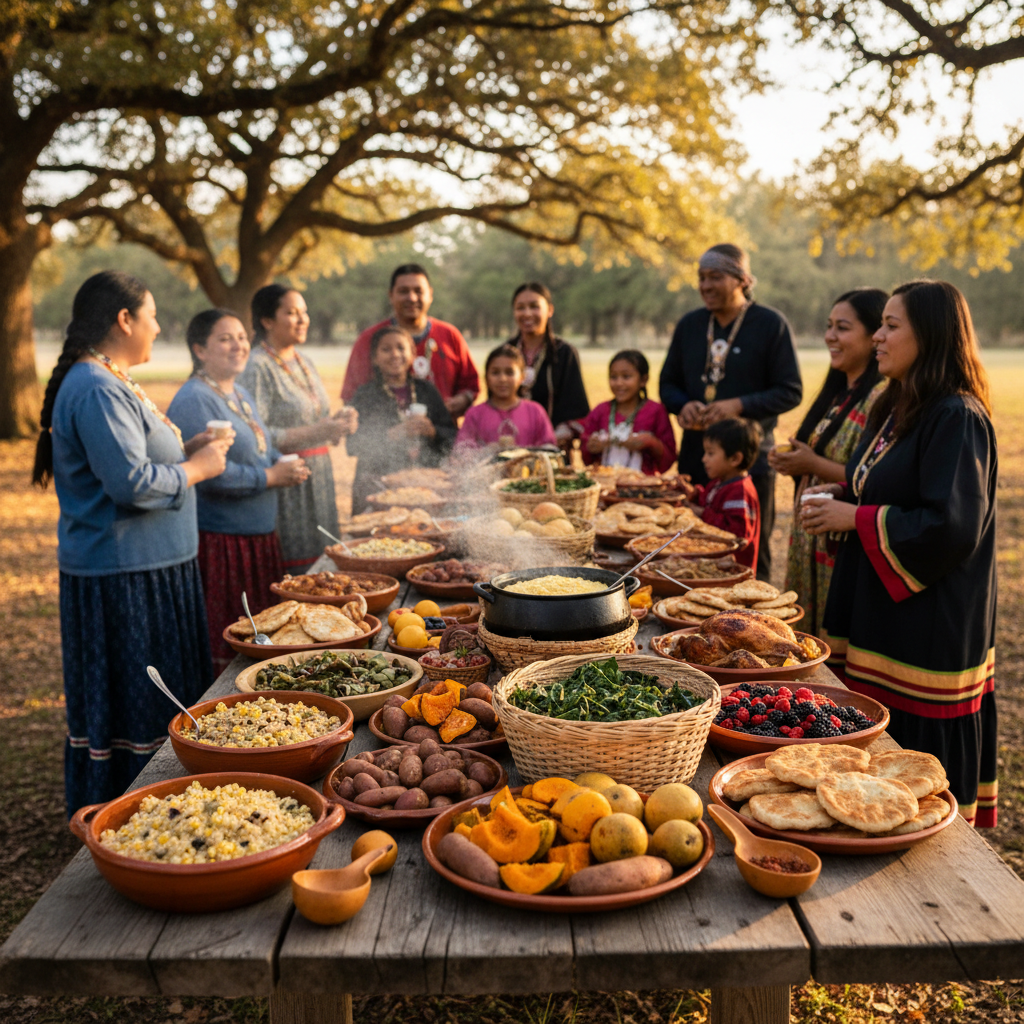
Traditional Cherokee Cooking Methods and Tools
Osiyo! Welcome to a deep dive into the flavors, techniques, and tools that have sustained the Cherokee people for millennia. Before we light the fire, let’s get one thing clear: Osiyo.net is an independently operated information platform. We are not an official website of any Tribal Nation or government agency. If you are looking for specific enrollment criteria or official government services, you must contact the three federally recognized Cherokee tribes directly: the Cherokee Nation in Oklahoma, the Eastern Band of Cherokee Indians (EBCI) in North Carolina, or the United Keetoowah Band of Cherokee Indians (UKB) in Oklahoma. Each is a sovereign government with its own rules, and we never make eligibility claims.
Food is more than just fuel; it is a map of history, a vessel for culture, and a testament to resilience. Traditional Cherokee cooking methods were born in the lush mountains of the Southeast, adapted through the trauma of forced removal, and are being vibrantly reclaimed today. Whether you are a tribal citizen looking to reconnect with ancestral ways or a curious neighbor wanting to learn more about the original stewards of this land, understanding these kitchen traditions offers a window into the Cherokee soul.
Key Takeaways
- The Three Sisters: Corn, beans, and squash form the nutritional and spiritual foundation of the Cherokee diet.
- The Kanona: The large wooden mortar and pestle is the most iconic tool in a traditional Cherokee kitchen.
- Wood Ash Lye: A sophisticated chemical process (nixtamalization) was used to unlock the nutrition in corn.
- Earth and Fire: Pit roasting and clay pot cooking were the primary methods before the introduction of European cast iron.
- Sovereignty through Food: Traditional foodways are a critical part of modern tribal sovereignty and health.
The Hearth as the Heart of the Home
In the ancestral homelands of the Southern Appalachians, the fire was never just a utility; it was a relative. Traditional Cherokee cooking methods centered on the open hearth or outdoor pits. Long before the convenience of a modern stovetop, Cherokee women mastered the art of heat control using different types of wood—hickory and oak were favorites for their long-burning, consistent coals.
Stone Boiling and Clay Pots
Before the arrival of metal kettles, the Cherokee used high-fire clay pots. These vessels were coiled by hand, smoothed with stones, and decorated with carved wooden paddles. To boil water or stews, the “stone boiling” method was often employed. Smooth river stones were heated in a fire until they glowed, then dropped into a water-filled clay pot or even a waterproofed basket. This transferred heat rapidly, bringing liquids to a rolling boil in minutes. You can learn more about these ancient techniques through the Museum of the Cherokee Indian.
Pit Roasting and Earthen Ovens
For large game or root vegetables, the earth itself became the oven. A pit was dug, lined with stones, and a large fire was built inside. Once the stones were white-hot, the coals were swept out, the food was wrapped in large leaves (like hickory or spicebush), placed on the stones, and covered with earth. This slow-roasting method produced incredibly tender meat and concentrated the sugars in wild sweet potatoes and squash. It is a method that requires patience—a stark contrast to our current fast-food culture.
Essential Cherokee Cooking Tools
A traditional Cherokee kitchen was a masterpiece of functional art. Every tool was sourced from the surrounding environment—wood, stone, clay, and cane. These weren’t just implements; they were often family heirlooms passed down through generations.
The Kanona (Mortar and Pestle)
If you see a large, upright log with a hollowed-out top and a long wooden pole, you’re looking at a Kanona. This is the heavy-duty engine of Cherokee food prep. Usually carved from seasoned hickory or oak, the mortar stands waist-high. The pestle, or pounder, is often double-ended. This tool was used primarily to grind dried corn into flour or grits. The rhythmic thumping of the Kanona was the heartbeat of a Cherokee village. It’s hard work, but it produces a texture that a modern electric grinder simply cannot replicate.
Sifting Baskets (Talutsa)
Once the corn was pounded in the Kanona, it needed to be sorted. Enter the double-weave rivercane basket. Cherokee weavers created specialized baskets with specific