The Cherokee Clan System: Tradition and Identity
Osiyo! Welcome to a deeper look at what truly binds the Cherokee people together. Before we dive into the history and heartbeat of the Cherokee clan system, let’s get one thing clear: Osiyo.net is an independently operated information platform. We are not an official website of any Tribal Nation, the Bureau of Indian Affairs (BIA), or any government agency. We’re here to provide resources and research guides, but if you are looking for official enrollment information, you must contact the specific Tribal Nation directly.
When we talk about the Cherokee, we are talking about three distinct, sovereign governments: the Cherokee Nation in Oklahoma, the Eastern Band of Cherokee Indians in North Carolina, and the United Keetoowah Band of Cherokee Indians in Oklahoma. Each of these nations has its own set of rules for citizenship and its own way of maintaining cultural traditions like the clan system. You can learn more about these differences in our guide to the three federally recognized Cherokee tribes.
Key Takeaways
- The Cherokee clan system is matrilineal, meaning your clan identity comes strictly through your mother.
- There are seven traditional clans, each historically serving specific social and ceremonial roles within the community.
- Tribal sovereignty means each of the three Cherokee nations determines how clan identity interacts with modern citizenship.
- Clans provided a legal and social framework that prevented internal conflict and governed marriage.
- Tracing clan lineage today often requires meticulous genealogical research into the Dawes Rolls and other historical records.
The Original Social Network: Understanding Matrilineal Descent
Long before there were digital profiles or government IDs, the Cherokee had a social structure so robust it survived forced removals, wars, and assimilation attempts. This was the clan system. At its core, Cherokee society is matrilineal. In a world often dominated by patriarchal European standards, the Cherokee centered the family around the mother. Your clan was your mother’s clan. Your mother’s brothers were your primary male mentors and disciplinarians, rather than your biological father, who belonged to a different clan entirely.
This system wasn’t just a quirky cultural trait; it was the law of the land. It governed who you could marry (never someone from your own clan or your father’s clan) and who was responsible for you if you committed a crime or were harmed. If a person was killed, it was the victim’s clan that sought justice. This kept the peace between towns because the clan connection transcended geographic boundaries.
Tribal sovereignty is the inherent right of Tribal Nations to govern themselves. This includes the right to define their own social structures, like clans, and their own requirements for tribal citizenship.
The Seven Cherokee Clans
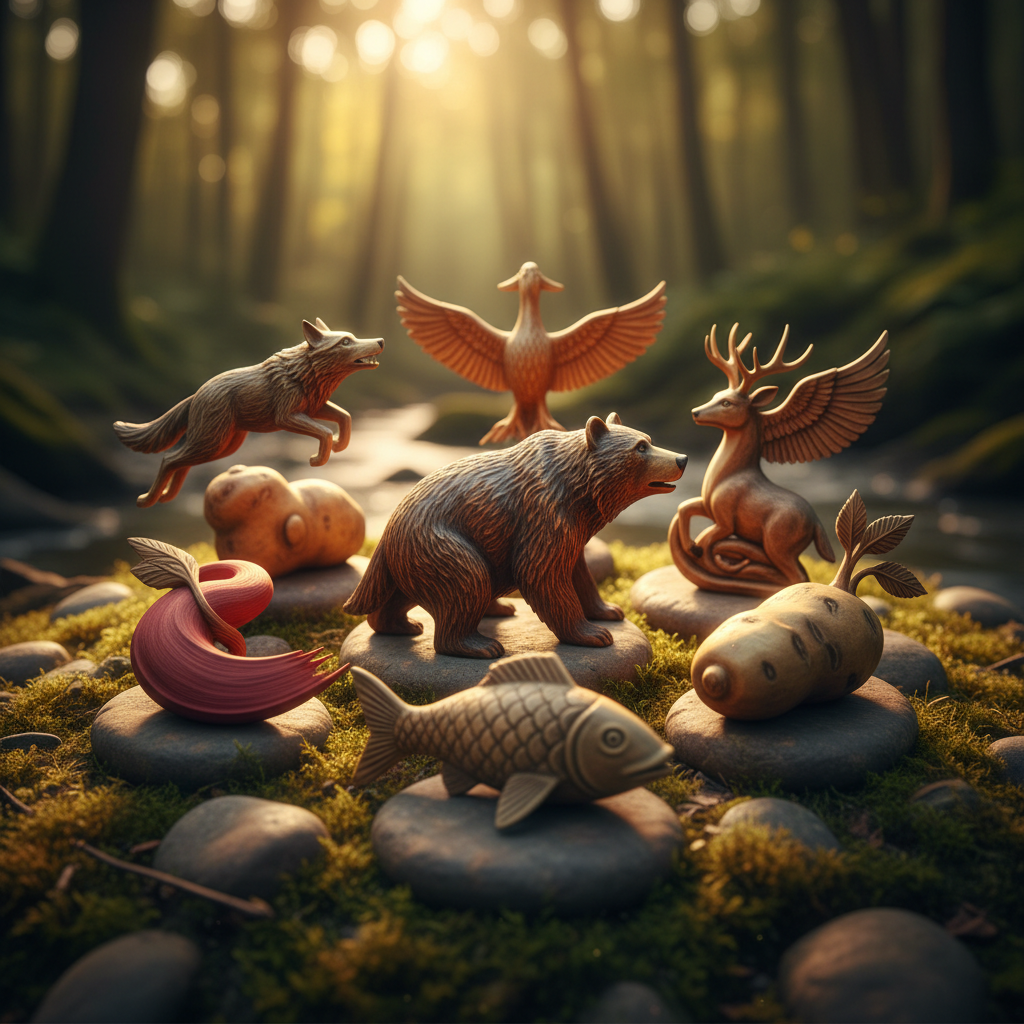
Historically, every Cherokee person belonged to one of seven clans. While the specific roles of these clans have evolved and, in some cases, become more ceremonial than political, they remain a vital part of Aniyuwiyah (Cherokee) identity. If you are starting your journey to find ancestors for tribal enrollment, understanding these cultural markers adds significant depth to your family history.
| Clan Name (English) | Cherokee Name | Traditional Role/Association |
|---|---|---|
| Wolf Clan | Aniwaya | Warriors, Protectors, and Guardians |
| Blue Clan | Anisahoni | Medicine Makers (specifically for children) |
| Long Hair Clan | Anigilohi | Peacemakers, Teachers, and Keepers of Tradition |
| Wild Potato Clan | Anigatogewi | Gatherers, Farmers, and Earth Stewards |
| Bird Clan | Aniawi | Messengers and Keepers of Birds |
| Paint Clan | Aniwodi | Medicine People, Healers, and Sorcerers |
| Deer Clan | Anigotagehi | Hunters and Fleet-footed Messengers |
1. The Wolf Clan (Aniwaya)
The Wolf Clan is historically the largest and most prominent. They were the protectors of the people. Most of the War Chiefs came from this clan. In the Cherokee worldview, the wolf is a powerful, respected creature, and members of this clan were expected to embody that strength. Because of their role in warfare, they were also responsible for the complex rituals associated with the taking of life and the seeking of balance.
2. The Blue Clan (Anisahoni)
Often associated with a particular type of medicinal plant that produces blue flowers, this clan was known for its healers. Specifically, they were the keepers of medicine intended for the health and well-being of children. They represent the nurturing aspect of the community, ensuring the next generation survived and thrived.
3. The Long Hair Clan (Anigilohi)
Members of this clan were known for their elaborate hairstyles and their role as the “Peace Clan.” Many of the Peace Chiefs (White Chiefs) were selected from the Long Hair Clan. They were the diplomats, the teachers, and the ones responsible for maintaining the oral history and traditions of the people. If there was a dispute that needed a cool head and a long memory, the Anigilohi were the ones to call.
4. The Wild Potato Clan (Anigatogewi)
Also known as the “Blind Savannah Clan” in some translations, this group was the backbone of Cherokee agriculture. They were the gatherers of the wild potato plants along the swampy savannahs. Their role was one of sustenance and stewardship of the land. They ensured that the community was fed and that the earth was respected.
5. The Bird Clan (Aniawi)
Birds are the messengers between earth and the upper world in Cherokee cosmology. Fittingly, members of the Bird Clan were the messengers. They were known for their ability to move quickly and their expertise with birds, particularly in the use of feathers for ceremonial purposes. They are often viewed as the bridge between different groups and worlds.
6. The Paint Clan (Aniwodi)
The Aniwodi were the keepers of the sacred paint used in ceremonies and medicine. This wasn’t just aesthetic; the red paint represented life, blood, and power. They were often the most spiritually focused, serving as diviners and healers. Their knowledge of the spiritual properties of minerals and plants was unmatched.
7. The Deer Clan (Anigotagehi)
As the name suggests, this clan was associated with the hunt. They were the trackers and the providers of protein. The deer was a sacred animal that provided not just food, but clothing and tools. Members of this clan were expected to be swift and highly attuned to the rhythms of the forest.
The Impact of Colonization on the Clan System
We need to be honest: the United States government spent centuries trying to kill the clan system. Why? Because a matrilineal society where women held the power of lineage and property was a direct threat to the patriarchal, land-hungry American expansionist model. The introduction of the Dawes Rolls in the late 1800s was a major blow. Federal agents often listed families by the father’s name, forcing a patrilineal structure onto a people who had never used one. For more on this, see our guide on how to research Cherokee ancestry properly.
Furthermore, the 1827 Cherokee Constitution moved the nation toward a republican form of government. While this was a brilliant move for political survival, it did shift some of the legal powers away from the clans and toward a centralized government. However, the clans never vanished. They moved from being the primary legal system to being the primary cultural and social system.
Modern Identity and Tribal Sovereignty
Today, the role of clans varies between the three Cherokee nations. In the Eastern Band of Cherokee Indians (EBCI), clans remain a very active part of social and ceremonial life. In the Cherokee Nation (CN), which is much larger, many citizens may not know their clan due to the disruptions of the Trail of Tears and allotment, though there is a massive resurgence in cultural education to help people reclaim this identity. The United Keetoowah Band (UKB) places a very high emphasis on traditional clan structures in their community life.
It is crucial to remember that clan identity is not the same as tribal citizenship. You can be a proud citizen of the Cherokee Nation based on your lineage to a Dawes enrollee, even if you don’t yet know your clan. Conversely, claiming a clan does not make you a tribal citizen. Citizenship is a legal status determined by the sovereign laws of the Tribal Nation. If you are confused about these terms, read our breakdown of CDIB vs. Tribal Citizenship.
How to Research Your Clan
If you’re looking to find your clan, you have to start with your mother. Because it is matrilineal, you must trace your female line back to a point where the clan was recorded. Warning: this is hard. The Final Rolls (Dawes Rolls) usually do not list clans. You often have to look at older records like the 1851 Drennen Roll or the 1851 Old Settler Roll, which sometimes contain notes on clan affiliation.
Don’t fall for “instant” clan tests. There is no DNA test that can tell you your Cherokee clan. DNA might show indigenous ancestry, but clans are a social and political construct of the Tribal Nation, not a genetic marker. We discuss this further in DNA tests and tribal citizenship.
FAQ
Do I have a clan if I am a tribal citizen?
Technically, yes, because every Cherokee person historically had one. However, due to the intentional destruction of records by the federal government, many families lost the knowledge of which clan they belong to. You can reclaim this by researching your female ancestors in early 19th-century records.
Can I choose my clan?
No. Traditionally, you are born into your mother’s clan. In some rare traditional cases, a person might be adopted into a clan, but you cannot simply pick one because you like the symbol or the role.
What happens if my mother isn’t Cherokee but my father is?
Under traditional law, you would not have a clan. However, in modern times, some people are “brought in” or given a clan identity by the community or their father’s clan to ensure they have a place in the social fabric. Remember, this is a cultural matter, not a legal citizenship matter.
Next Steps
- Start your tree: Focus on your maternal line. Use our document checklist to get organized.
- Consult official sources: Visit the Cherokee Nation, Eastern Band of Cherokee Indians, or United Keetoowah Band websites for cultural resources.
- Visit the Archives: Look at the National Archives (NARA) for Dawes Roll tutorials to see if your ancestors mentioned clan ties in their applications.
- Connect with community: Participate in cultural satellite groups or language classes offered by the tribes.
Last reviewed: June 2026
Osiyo.net is an independently operated information platform. It is not an official website of any Tribal Nation, the Bureau of Indian Affairs, or any government agency. Always verify enrollment information directly with the specific Tribal Nation.