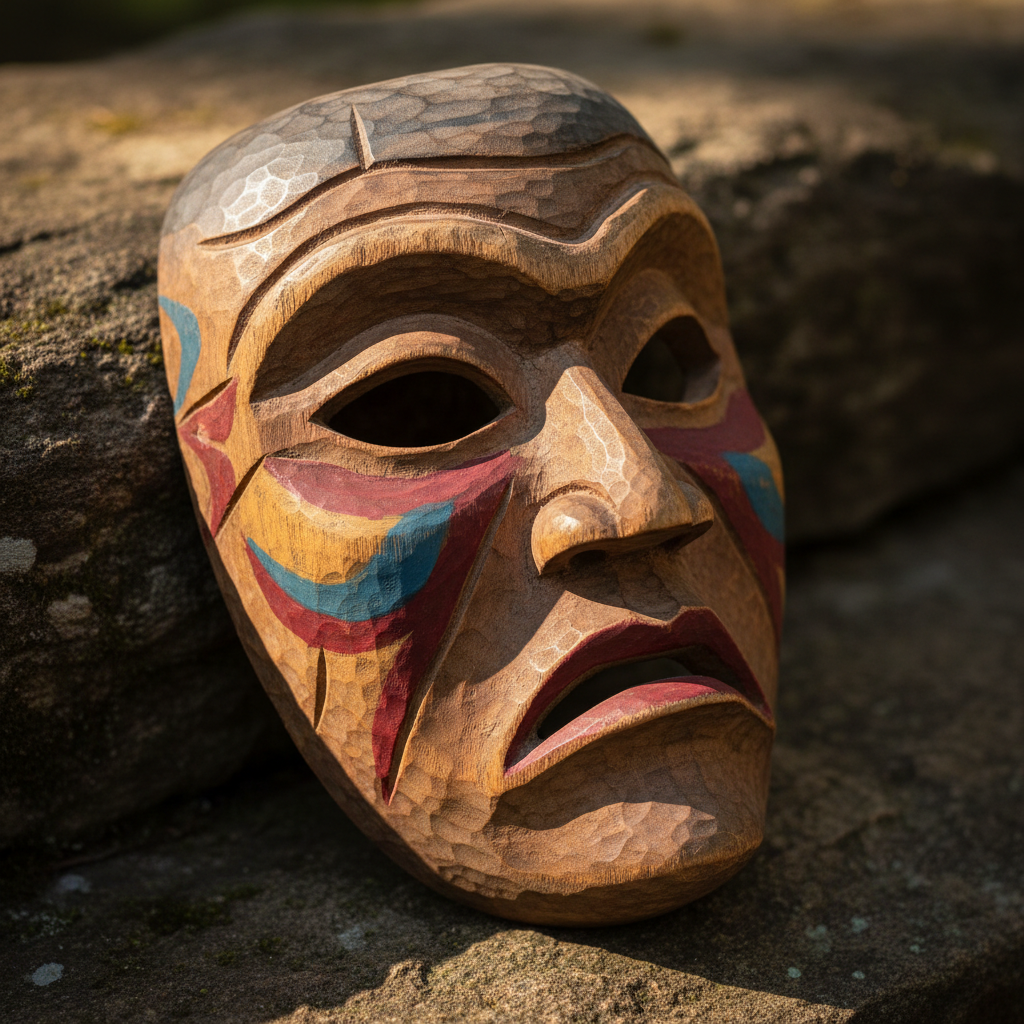
Contemporary Cherokee Artists Shaping the Future
Osiyo! Welcome to a deep dive into the vibrant, evolving world of Contemporary Cherokee Artists. Before we jump into the gallery, let’s get one thing straight: Osiyo.net is an independent platform. We aren’t an official arm of any tribal government, the BIA, or a federal agency. We’re here to provide the context, the history, and the connections that often get missed in mainstream art circles. When we talk about Cherokee art, we are talking about the creative output of three distinct, sovereign nations: the Cherokee Nation (Oklahoma), the Eastern Band of Cherokee Indians (North Carolina), and the United Keetoowah Band of Cherokee Indians (Oklahoma).
Cherokee art isn’t a monolith, and it certainly isn’t stuck in the 1830s. While many of our artists draw from deep ancestral wells—think rivercane baskets and stamped pottery—they are also using digital tools, conceptual installations, and modern political commentary to assert their place in the 21st century. This is art as an act of sovereignty. It is a refusal to be relegated to a museum shelf labeled “extinct.”
Key Takeaways
- Sovereignty Matters: Cherokee identity is a legal and political status, not just a lifestyle choice. True Cherokee art is produced by citizens of the three federally recognized tribes.
- Legal Protection: The Indian Arts and Crafts Act of 1990 protects buyers and artists by requiring that anything marketed as “Indian made” must be produced by a member of a federally or state-recognized tribe.
- Diverse Mediums: While traditional crafts like basketry and pottery remain vital, contemporary artists are leading in film, digital illustration, and avant-garde sculpture.
- The Three Tribes: Art from the Eastern Band often reflects the Appalachian landscape, while Oklahoma-based artists (CN and UKB) often grapple with the legacy of removal and the blending of cultures in Indian Territory.
Defining Cherokee Art in the Modern Era
For a long time, the non-Indigenous world tried to put Native art in a box. If it wasn’t a turquoise necklace or a painting of a warrior on a horse, they didn’t want to see it. But contemporary Cherokee artists have spent the last few decades smashing that box. Today, a Cherokee artist might be a world-renowned fashion designer, a comic book illustrator, or a conceptual artist whose work challenges the very idea of blood quantum.
It’s important to understand that tribal citizenship is the foundation of this identity. Each nation sets its own enrollment rules. You can learn more about these complexities on our page regarding tribal citizenship rules. When you support an artist from the three federally recognized Cherokee tribes, you are supporting a citizen of a sovereign nation, not just a “descendant” with a family story.
The Indian Arts and Crafts Act
If you’re buying art, you need to know about the law. The Indian Arts and Crafts Act is a truth-in-advertising law. It makes it illegal to offer or display for sale any art or craft product in a manner that falsely suggests it is Indian produced. This is crucial because “Cherokee-style” art made by non-citizens dilutes the market and strips economic resources away from actual tribal citizens. Always ask for documentation or check the artist’s tribal affiliation.
Pioneers and New Voices
The landscape of Cherokee art is populated by legends who paved the way and young firebrands who are currently setting new paths. It’s impossible to list them all, but a few names represent the breadth of the movement.
The Legacy of Shan Goshorn
The late Shan Goshorn (Eastern Band of Cherokee Indians) changed the game. She used traditional Cherokee double-weave basketry techniques but replaced the rivercane with archival paper. On these paper splints, she printed historical documents—treaties, maps of the Trail of Tears, and boarding school records. Her work was a punch to the gut, using a “traditional” form to force the viewer to confront the brutal realities of federal Indian policy. She proved that contemporary Cherokee artists don’t have to choose between their heritage and their political voice.
Roy Boney Jr. and the Digital Front
Roy Boney Jr. (Cherokee Nation) is a prime example of how language and art intersect. A citizen of the Cherokee Nation, Boney is a multi-media artist and writer who has used his skills to promote the Cherokee language through comic books and digital media. His work often features the Cherokee syllabary, reminding us that our language is a living, breathing tool for modern expression. This isn’t just art; it’s preservation. If you’re interested in how modern Cherokees maintain their culture, check out our section on Cherokee education.
The Revivalists: Pottery and Beadwork
Artists like Martha Berry (Cherokee Nation) have spent decades reviving lost arts. Berry is credited with bringing back traditional Cherokee pre-removal beadwork, which looks vastly different from the more common Plains-style beadwork most people recognize. Similarly, potters in both the EBCI and Oklahoma are reclaiming the ancient methods of wood-firing and paddle-stamping, ensuring that the techniques used 1,000 years ago survive into the next millennium.
Comparing Mediums and Regions
While all three tribes share a common ancestry, their art has diverged based on geography and historical experience. Here is a brief look at how some traditional forms have evolved into contemporary expressions.
| Medium | Traditional Roots | Contemporary Expression | Regional Focus |
|---|---|---|---|
| Basketry | Rivercane, Oak splints used for utility. | Paper splints with printed text, sculptural forms. | Strongest in EBCI (NC) due to rivercane access. |
| Pottery | Hand-coiled, paddle-stamped, wood-fired. | Highly polished, incised designs, museum-quality sculpture. | Both Oklahoma and North Carolina. |
| Textiles | Finger weaving (belts and garters). | Couture fashion, high-end beadwork, modern streetwear. | Nationwide, often seen at Cherokee Art Market. |
| Visual Arts | Petroglyphs, hide painting. | Digital illustration, oil on canvas, film and animation. | Global reach, strong presence in OK galleries. |
The Politics of Cherokee Identity in Art
We can’t talk about contemporary Cherokee artists without talking about the