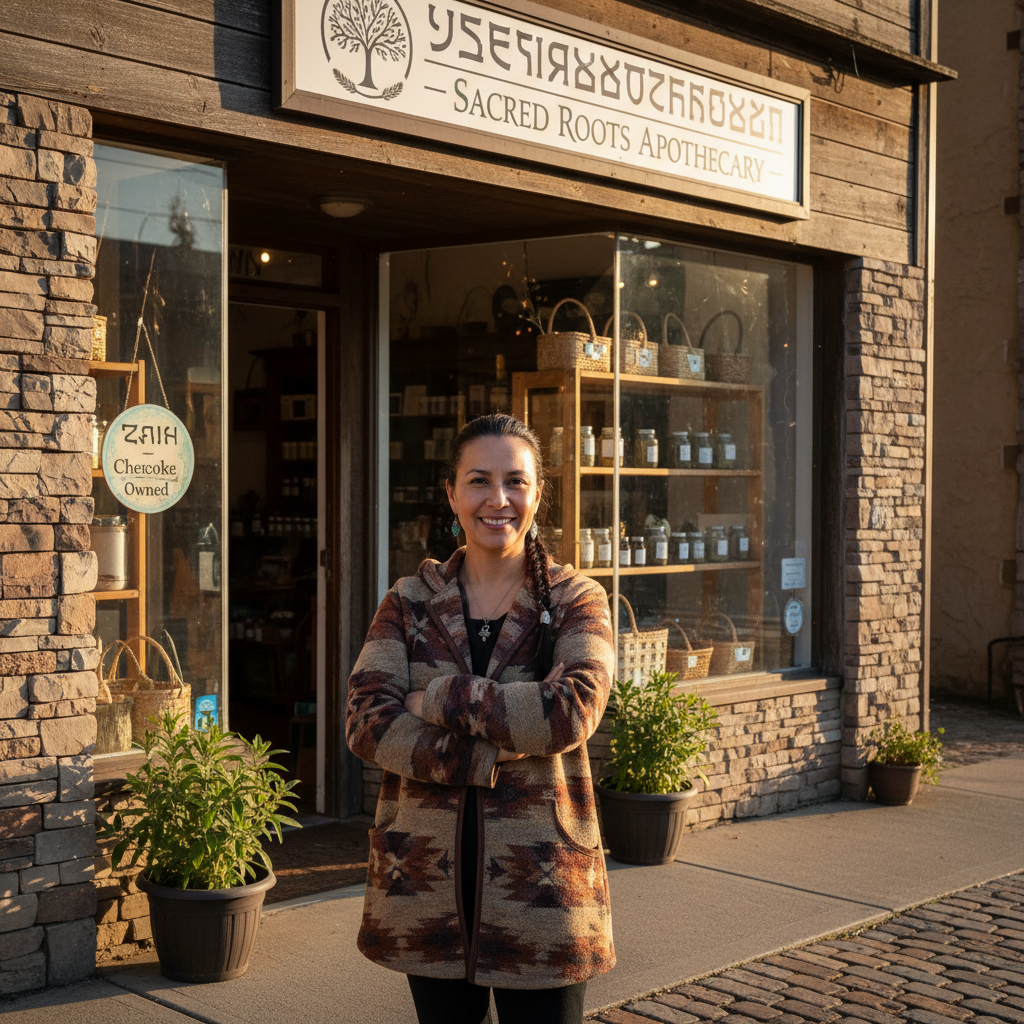
Cherokee Nation Small Business Development Programs: Building Tribal Prosperity
Osiyo! Welcome to the table. If you’re looking to start a business or grow an existing one within the Cherokee Nation jurisdiction, you’re not just looking for a loan—you’re looking to contribute to the economic sovereignty of a nation. But let’s be clear from the jump: Osiyo.net is an independently operated information platform. We are not the Cherokee Nation government, the BIA, or a tribal agency. We can’t grant you a loan or certify your business, but we can help you navigate the landscape of Cherokee Nation small business development programs like a pro.
Building a business as a tribal citizen is about more than personal profit; it is an act of self-determination. For centuries, federal policies were designed to keep tribal economies dependent and stifled. Today, the Cherokee Nation is flipping that script. Through the Small Business Assistance Center (SBAC) and other economic initiatives, the Tribe is investing in its most valuable resource: its people. Whether you are a first-time entrepreneur or a seasoned contractor, understanding these resources is your first step toward success.
Key Takeaways for Cherokee Entrepreneurs
- The SBAC is your hub: The Small Business Assistance Center (SBAC) provides technical assistance, business coaching, and access to capital specifically for Cherokee citizens.
- TERO Certification is vital: If you want to bid on tribal contracts, getting certified through the Tribal Employment Rights Office (TERO) is a game-changer.
- Sovereignty drives economy: Tribal business programs are designed to keep the “Cherokee Dollar” circulating within the community to build long-term stability.
- Location matters: Many programs focus on the 14-county jurisdictional area in Northeastern Oklahoma, though some resources vary.
- Rule of thumb: Always contact the official Cherokee Nation government for the most current eligibility requirements.
The Heart of the System: The Small Business Assistance Center (SBAC)
The Cherokee Nation Small Business Assistance Center (SBAC) isn’t just an office; it’s a launchpad. It was established to provide a central point where Cherokee entrepreneurs can get the help they need without getting lost in bureaucratic red tape. The SBAC works with tribal citizens to help them start, expand, and manage successful businesses. They aren’t just looking at your balance sheet; they are looking at how your business can strengthen the Cherokee community.
Technical Assistance and Business Planning
You might have a world-class idea, but if you can’t translate that into a viable business plan, you’re dead in the water. The SBAC provides one-on-one technical assistance. This includes helping you draft a professional business plan, creating financial projections, and understanding market trends. They also offer workshops on everything from basic accounting to digital marketing. Think of it as a free MBA focused specifically on the unique challenges of tribal business ownership.
Access to Capital and Loan Programs
Let’s talk about the elephant in the room: money. Historically, Native American entrepreneurs have faced massive barriers in accessing traditional bank loans. Whether it’s a lack of collateral or systemic bias, the struggle is real. The SBAC helps bridge this gap by offering various loan products. These are not “free money” or grants—they are structured loans that must be repaid, but they often come with more flexible terms than a predatory big-city bank. These loans can be used for startup costs, equipment, working capital, or even purchasing an existing business.
The Power of TERO: Tribal Employment Rights Office
If you are a Cherokee-owned business, you need to know about TERO. This office is responsible for enforcing tribal employment and contracting laws. One of its most powerful tools is the Indian Preference law. When the Cherokee Nation or its entities (like Cherokee Nation Entertainment or Cherokee Federal) put out a contract for bid, TERO-certified businesses get the first look. This isn’t a handout; it’s a sovereign right to ensure that tribal money supports tribal citizens first.
To get certified, you’ll need to prove that your business is at least 51% owned and controlled by a citizen of a federally recognized tribe (with specific tiers for Cherokee citizens). The process involves a deep dive into your corporate structure, so having your capability statement and legal documents in order is essential. For more on the basics, check out our guide to what TERO actually is.
| Program Component | Primary Focus | Who It’s For |
|---|---|---|
| SBAC Technical Assistance | Business plans, marketing, & coaching | Cherokee entrepreneurs at any stage |
| SBAC Loan Programs | Funding and capital access | Citizens within the 14-county jurisdiction (mostly) |
| TERO Certification | Contracting preference and jobs | Native-owned businesses (51%+) |
| Commerce Department | Large-scale economic strategy | Industrial and corporate growth |
Navigating the Three Cherokee Tribes
When we talk about “Cherokee Nation small business development,” we are specifically referring to the Cherokee Nation headquartered in Tahlequah, Oklahoma. However, it’s vital to remember there are three distinct, federally recognized Cherokee tribes, each with its own sovereign government and economic programs:
- Cherokee Nation (Oklahoma): The largest of the three, with an extensive SBAC and TERO system.
- Eastern Band of Cherokee Indians (North Carolina): Based in Cherokee, NC, the EBCI has its own Commerce Department and unique programs focused on the Qualla Boundary.
- United Keetoowah Band of Cherokee Indians (Oklahoma): Also based in Tahlequah, the UKB has its own distinct enrollment and economic development initiatives.
If you are a citizen of the EBCI or UKB, your path will be different. For a deeper look at these distinctions, see our post on the three federally recognized Cherokee tribes.
The “Small Business” Edge: Why Cherokee Ownership Matters
Why does the Tribe care so much about your small business? Because small businesses are the backbone of economic resilience. When a large corporation leaves a town, the economy collapses. But when a Cherokee citizen starts a plumbing company, a tech firm, or a coffee shop, that business stays. It hires local people, pays local taxes, and sponsors the local youth stickball team. This is called the “multiplier effect,” and it is the secret weapon of tribal sovereignty. By supporting Cherokee Nation small business development, the Tribe is ensuring that the community isn’t just surviving, but thriving on its own terms.
“Sovereignty isn’t just a legal concept; it’s an economic one. A nation that cannot feed, house, and employ its own people is at the mercy of others. Small business is the engine of our independence.”
Frequently Asked Questions
Does the Cherokee Nation give grants to start a business?
Generally, the Cherokee Nation Small Business Assistance Center focuses on loans and technical assistance rather than direct “startup grants.” While there may be occasional specific grant programs for niche industries or emergency relief, entrepreneurs should expect to utilize loan products that require repayment. Always check with the SBAC for the latest offerings.
Can I get business help if I live outside the 14 counties?
Many of the SBAC’s financial loan programs are focused on businesses located within or near the Cherokee Nation’s 14-county jurisdictional area in Oklahoma. However, technical assistance, workshops, and TERO certification may have different geographic requirements. Contact the official SBAC office to see what resources apply to your specific location.
Do I need to be a Cherokee Nation citizen to use the SBAC?
Most programs within the SBAC are specifically designed for citizens of the Cherokee Nation. Some programs may be open to citizens of other federally recognized tribes, but preference and primary funding are usually reserved for Cherokee citizens. You will likely need to provide proof of citizenship, such as your blue “Indian Card” or tribal membership card.
What documents do I need for a Cherokee business loan?
At a minimum, you will need a solid business plan, financial statements (personal and business), tax returns, and proof of tribal citizenship. If you are applying for a TERO-certified contract, you will need even more documentation regarding business ownership and control. Use our document checklist as a starting point for gathering your personal records.
Where to Go From Here: Your Next Steps
Ready to move from the “dreaming” phase to the “doing” phase? Here is your roadmap:
- Step 1: Verify your citizenship. Ensure your tribal registration is current. If you’re still researching your heritage, start with our guide on how to research Cherokee ancestry.
- Step 2: Contact the SBAC. Don’t wait until you have a perfect plan. Reach out to the Cherokee Nation Small Business Assistance Center in Tahlequah to find out about upcoming workshops or to schedule an initial consultation.
- Step 3: Draft your plan. Start putting your ideas on paper. Focus on your “why” and your financial projections.
- Step 4: Explore TERO. If your business involves construction, services, or supplies that the Tribe might buy, look into the tribal contracting guide and get your TERO certification process started.
- Step 5: Stay Informed. Tribal rules and program funding change. Check the official Cherokee Nation website regularly for the most up-to-date information.
Last reviewed: June 2026
Osiyo.net is an independently operated information platform. It is not an official website of any Tribal Nation, the Bureau of Indian Affairs, or any government agency. Always verify enrollment and program information directly with the specific Tribal Nation.