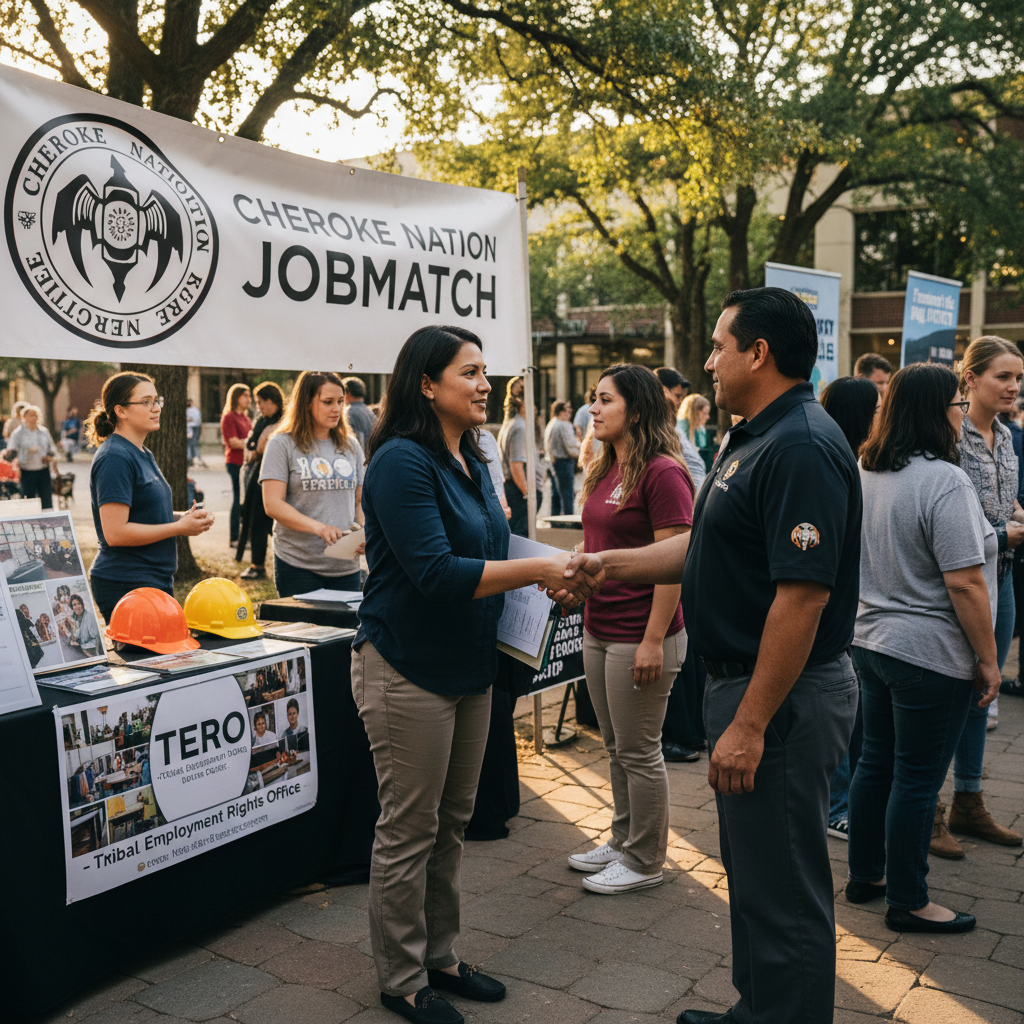
Cherokee Nation JobMatch and Career Services: Finding Employment as a Tribal Citizen
Let’s cut through the noise: landing a job within a Tribal Nation isn’t just about having a solid resume; it is an exercise of your rights as a citizen. While the rest of the corporate world talks about ‘diversity and inclusion’ as a corporate social responsibility metric, the Cherokee Nation approaches employment through the lens of sovereignty and economic self-determination. If you are looking for work within the 14-county reservation or through Cherokee Nation Businesses (CNB), you are interacting with one of the largest economic engines in the region. But to get in the door, you have to understand the mechanics of the JobMatch system and the legal weight of Indian Preference.
The Landscape of Cherokee Employment
Before we dive into the portal, we need to clarify the map. There are three federally recognized Cherokee tribes, and while they share a history, their employment systems are distinct. This guide focuses primarily on the Cherokee Nation (CN) based in Tahlequah, but it is vital to know who is who:
- Cherokee Nation: The largest tribe, operating a massive government infrastructure and CNB, which includes everything from hospitality to federal contracting.
- United Keetoowah Band of Cherokee Indians (UKB): Also headquartered in Tahlequah, they have their own HR departments and specific Keetoowah preference.
- Eastern Band of Cherokee Indians (EBCI): Located in North Carolina, they operate under their own sovereign laws with a heavy focus on tourism and gaming.
Osiyo.net is an independent platform. We aren’t the ones hiring you, and we don’t process your citizenship applications. Our job is to give you the context the official portals often leave out. For official government listings, you should always cross-reference with cherokee.org.
Key Takeaways
- JobMatch is the Gateway: You must create a profile in the Cherokee Nation JobMatch system to be considered for government positions.
- Indian Preference is Real: It’s not a ‘handout’; it’s a legal hiring priority for qualified citizens of federally recognized tribes.
- TERO is Your Shield: The Tribal Employment Rights Office ensures that Cherokee citizens get a fair shot at jobs on tribal land, even with outside contractors.
- CNB vs. Government: There is a difference between working for the tribal government and working for Cherokee Nation Businesses (the commercial arm).
What is Cherokee Nation JobMatch?
The JobMatch system is more than just a job board like Indeed or LinkedIn. It is a centralized database designed to match the skills of Cherokee citizens with the needs of the tribal government. When you upload your credentials, you aren’t just applying for a single ‘Clerk II’ position; you are entering a system that allows HR to see your potential across multiple departments.
How to Navigate the Portal
To start your journey, you’ll need to create an account. Here’s the reality: the system is rigorous. You will need to provide documentation of your citizenship and your professional history. If you aren’t a citizen yet, you should look into the different tribes to understand where you might fit, but remember that ‘Indian Preference’ usually prioritizes citizens of the hiring tribe first.
| Feature | Government Jobs | Cherokee Nation Businesses (CNB) |
|---|---|---|
| Focus | Social services, health, education, law enforcement. | Gaming, hospitality, federal contracting, technology. | Preference | Strict Cherokee/Indian Preference. | Indian Preference applied where legal and applicable. | Funding | Tribal revenue and federal grants (BIA, IHS). | Commercial revenue and federal contracts. | Application | Primarily via JobMatch. | Directly via CNB Careers portal. |
The ‘Edge’ on Indian Preference
There is a massive misconception that Indian Preference is a form of ‘race-based’ hiring. Let’s set the record straight: it is a political preference. Because Tribal Nations are sovereign entities, they have the right—upheld by the Supreme Court—to prioritize their own citizens for employment. This is no different than a local government hiring residents or a nation prioritizing its own workforce.
“Indian Preference is not a gift. It is a recognition of the government-to-government relationship between the United States and Tribal Nations, ensuring that tribal resources benefit tribal people first.”
When applying, you must explicitly claim this preference. Do not assume the HR software knows you are a citizen just because your last name is ‘Adair’ or ‘Ross.’ You must provide your Blue Card or citizenship documentation as part of the application process. If you don’t, you are voluntarily competing on a level playing field with the general public—and why would you do that?
TERO: The Power of Tribal Law
The Tribal Employment Rights Office (TERO) is one of the most powerful tools in your arsenal. Established to combat the historical exclusion of Native people from the workforce on their own lands, TERO mandates that any employer doing business on the reservation must prioritize Cherokee citizens for hiring. This applies not just to the tribe itself, but to private construction firms, vendors, and contractors.
How TERO Helps You
- Job Bank: TERO maintains its own skills bank for trade workers (carpenters, electricians, welders).
- Compliance: They monitor job sites to ensure tribal citizens aren’t being skipped over for outside labor.
- Training: TERO often provides vocational training to help citizens get the certifications they need to be ‘qualified’ under the law.
If you feel you have been passed over for a job on tribal land despite being qualified, the TERO office is your first point of contact for advocacy. Check out more on economic opportunities to see how TERO affects the regional economy.
Career Services Beyond the Job Board
Finding a job is often about removing barriers. Cherokee Nation Career Services recognizes that you can’t work if you can’t get to the job or if you lack the specific tools for the trade. Their programs often include:
Vocational Rehabilitation and TAA
For citizens with disabilities or those who have lost their jobs due to trade-related shifts, the tribe offers intensive support. This isn’t just a pamphlet; it’s actual funding for retraining. This connects deeply with the tribe’s commitment to higher education and lifelong learning.
Workforce Innovation and Opportunity Act (WIOA)
Through federal partnerships with the Bureau of Indian Affairs (BIA), the tribe can assist with ‘supportive services.’ This might mean help with work attire, tools, or even childcare assistance while you are in training. This is how the tribe invests its sovereign funds back into the people.
The Three Tribes Comparison: Where to Look?
Depending on where you live or your specific enrollment, your path might differ. While the Cherokee Nation is the powerhouse in the 14 counties, the others have significant footprints:
- Eastern Band of Cherokee Indians (EBCI): If you are in the Qualla Boundary, you will be looking at the EBCI HR portal. They have an incredibly robust system tied to their gaming revenue.
- United Keetoowah Band (UKB): For those specifically enrolled in the UKB, check the UKB official site. Their hiring process is often more localized but no less important for Keetoowah sovereignty.
Next Steps for Your Career
- Audit Your Paperwork: Ensure your citizenship records are up to date. You can’t claim preference without proof.
- Create Your Profile: Visit the official Cherokee Nation JobMatch portal and fill out every field.
- Contact TERO: If you are in the trades, get your name in the TERO skills bank.
- Prepare for the Interview: Tribal interviews often include questions about your understanding of the tribe’s mission. Be ready to talk about service to the Cherokee people.
- Stay Informed: Read more success stories from other citizens who have navigated this path.
Frequently Asked Questions
Do I have to be Cherokee to work for the Cherokee Nation?
No. The Cherokee Nation is a major employer of both citizens and non-citizens. However, if two candidates are equally qualified, the candidate with Indian Preference will be selected. For certain sensitive positions or leadership roles, citizenship may be a stricter requirement.
What is the difference between JobMatch and the CNB portal?
JobMatch is for government-side jobs (Health, Human Services, etc.). The CNB portal is for the tribe’s business entities (Hard Rock Casino, Cherokee Federal, etc.). You should check both regularly.
Does Indian Preference apply to remote work?
Generally, yes, if the position is with a tribal entity. However, the specific laws of the Tribal Nation and the nature of the contract (especially in federal contracting) will dictate how preference is applied.
How long does the hiring process take?
Because of the background checks and the verification of Indian Preference, the process can be slower than the private sector. It is not uncommon for it to take 4-8 weeks from application to offer.
Last reviewed: June 2026
Osiyo.net is an independently operated information platform. Always verify enrollment information directly with the specific Tribal Nation.