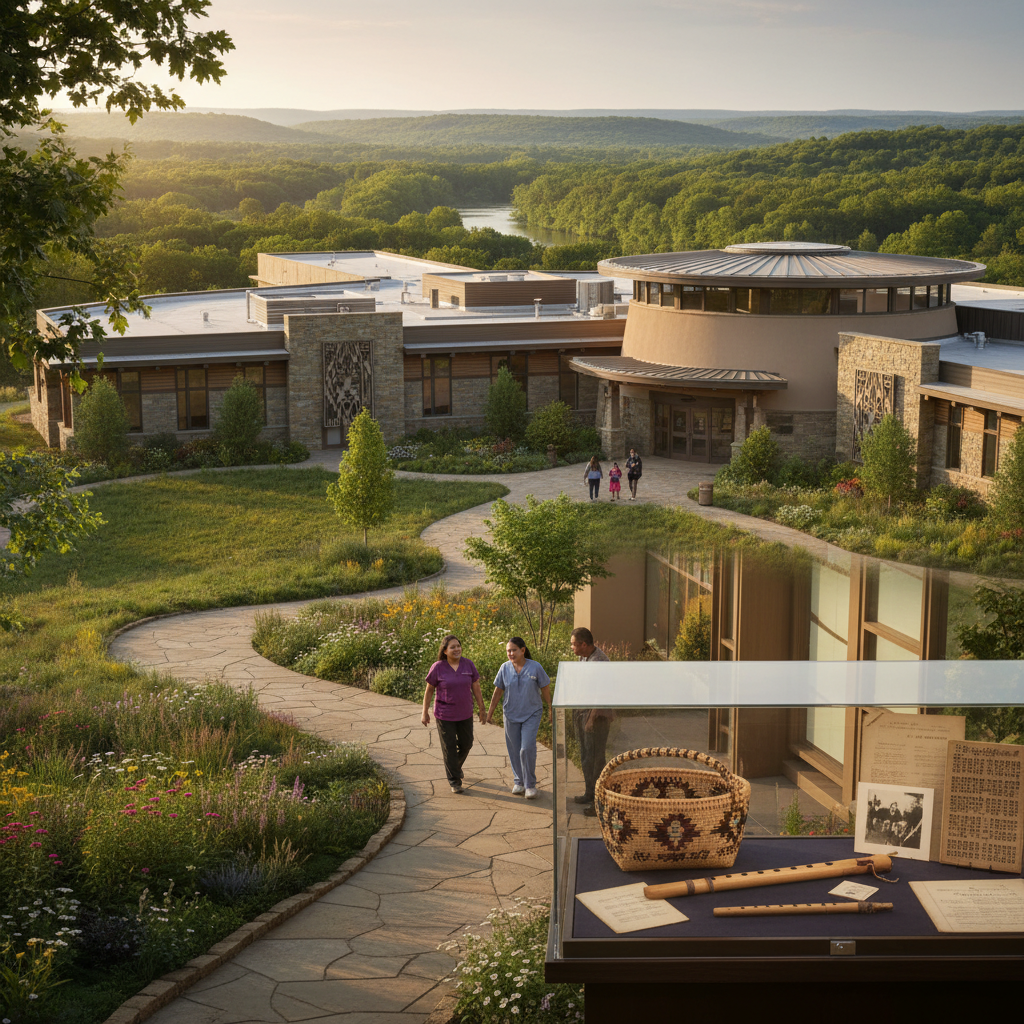
Cherokee Nation Health Services: Comprehensive Care for Tribal Citizens
Let’s cut through the bureaucratic fog right away: healthcare for Indigenous people in the United States isn’t a ‘handout’ or a gift. It is a prepaid right, cemented through treaties and the hard-fought recognition of tribal sovereignty. While the federal government’s track record with the Indian Health Service (IHS) has often been a masterclass in underfunding, the Cherokee Nation has flipped the script. By taking direct control of their health system through self-governance, the Cherokee Nation has built the largest tribally operated health system in the United States. This is what sovereignty looks like in practice.
Key Takeaways
- Scope: The Cherokee Nation Health Services (CNHS) operates a massive network including the W.W. Hastings Hospital and multiple health centers across the 14-county reservation.
- Sovereignty in Action: The shift from federal IHS management to tribal self-governance has significantly improved care quality and facility standards.
- Eligibility: Services are generally available to citizens of federally recognized tribes with a CDIB or Tribal Membership card, though specific programs vary.
- Investment: The Nation is currently undergoing a historic multi-hundred-million-dollar expansion of its health infrastructure.
The Three Tribes: Context Matters
Before diving into the specifics of the health system headquartered in Tahlequah, it is essential to distinguish between the three federally recognized Cherokee tribes. While they share heritage, their governmental structures and health administrations are distinct:
- The Cherokee Nation (CN): Based in Tahlequah, OK, and the focus of this guide. They manage the largest network of clinics in the region.
- The United Keetoowah Band of Cherokee Indians (UKB): Also headquartered in Tahlequah. While UKB citizens often utilize CN facilities through inter-tribal agreements and IHS eligibility, the UKB maintains its own distinct tribal government. Learn more about their history at our tribes overview.
- The Eastern Band of Cherokee Indians (EBCI): Based in North Carolina. They operate the Cherokee Indian Hospital Authority, a completely separate and equally impressive system serving their specific sovereign territory.
“Our goal is not just to provide healthcare, but to provide the best healthcare in the world, specifically tailored to the needs of the Cherokee people.” — A common sentiment reflected in the current tribal leadership mission.
The Flagship: W.W. Hastings Hospital
Located in Tahlequah, Oklahoma, W.W. Hastings Hospital is the heart of the CNHS. It’s not just a local clinic; it’s a full-service facility that has seen massive upgrades to keep pace with modern medical standards. From emergency services to surgery, Hastings serves as the primary hub for the more than 1.5 million patient visits the Nation handles annually.
The New Era of Specialty Care
For years, tribal citizens had to be referred to outside providers in Tulsa or Oklahoma City for complex issues. That is changing rapidly. The Cherokee Nation has invested heavily in specialty care, including:
- The Outpatient Health Center: A massive 469,000-square-foot facility in Tahlequah that expanded capacity for everything from optometry to dental and physical therapy.
- Cancer Care: In a historic partnership, the Nation has worked to bring advanced oncology services directly to the reservation, reducing the travel burden on patients during their most difficult times.
- Behavioral Health: The tribe has prioritized holistic wellness, integrating mental health services with primary care to combat the generational trauma and modern stressors affecting the community.
A Network of Clinics: Care Across the 14 Counties
One of the biggest misconceptions is that you have to drive to Tahlequah for every appointment. The CNHS operates a sprawling network of health centers designed to meet citizens where they live. These facilities provide primary care, pharmacy services, and lab work.
| Clinic Name | Location | Primary Services |
|---|---|---|
| Amo Health Center | Salina, OK | Primary Care, Pharmacy, Dental |
| Cooweescoowee Health Center | Ochelata, OK | Primary Care, Optometry, WIC |
| Redbird Smith Health Center | Sallisaw, OK | Primary Care, Behavioral Health, Lab |
| Sam Hider Health Center | Jay, OK | Primary Care, Pharmacy, Public Health |
| Wilma P. Mankiller Health Center | Stilwell, OK | Primary Care, Dental, Radiology |
Each of these centers represents a localized point of sovereignty. By placing high-quality facilities in rural areas, the Cherokee Nation ensures that geographic isolation doesn’t equate to medical neglect.
The Sovereignty Edge: Why Tribal Management Works
Why is the Cherokee Nation’s system often cited as a model for the rest of the country? The answer lies in the Indian Self-Determination and Education Assistance Act (Public Law 93-638). This law allows tribes to take over programs previously run by the federal government.
When the BIA (Bureau of Indian Affairs) or IHS runs a facility, they are often hamstrung by federal red tape and shifting political priorities in D.C. When the Cherokee Nation runs it, the decision-makers are the very people being served. Profits (when they exist from third-party billing) and federal compact funds are reinvested directly into the community. You can find more about how these funds support the community in our section on tribal opportunities.
The OSU Partnership: Training the Next Generation
In a move that ruffled the feathers of traditional medical establishment, the Cherokee Nation partnered with Oklahoma State University to open the first tribally affiliated medical school on a reservation. The OSU College of Osteopathic Medicine at the Cherokee Nation is a game-changer. The goal? To train doctors—many of whom are Indigenous—to practice in rural, tribal environments. It’s a long-term play to solve the chronic physician shortage in Indian Country.
Accessing Services: The Nitty Gritty
To access CNHS, you generally need to present your tribal citizenship card or a CDIB from a federally recognized tribe. While the system is robust, it is also highly utilized, meaning navigation requires some know-how.
Pharmacy Services
The CNHS pharmacy system is one of the most vital benefits for citizens. Through the mail-order pharmacy and on-site dispensaries, citizens can access life-saving medications. This is particularly crucial for managing chronic conditions like diabetes, which disproportionately affects tribal communities due to historical shifts in diet and lifestyle.
Patient Rights and Responsibilities
Because this is a sovereign system, it operates under tribal law. Patients are encouraged to be their own advocates. If you are a citizen looking to begin your healthcare journey, the best place to start is by establishing a primary care provider at your nearest clinic. Don’t wait for an emergency; the system works best when it’s proactive.
Common Misconceptions
- “It’s all free for everyone.” Not exactly. While basic services are covered for eligible tribal citizens through federal funding and tribal revenue, the system also bills private insurance, Medicare, and Medicaid to recoup costs and expand services.
- “It’s only for Cherokees.” While run by the Cherokee Nation, most CNHS facilities serve citizens of any federally recognized tribe, provided they have the proper documentation.
- “The care is sub-par.” This is a dated stereotype. With the new facilities and the OSU partnership, the medical technology and provider expertise in Tahlequah often exceed that of neighboring non-tribal rural hospitals.
Frequently Asked Questions
Do I need an appointment for the health centers?
Yes, appointments are highly recommended for primary care. However, many locations offer “Same Day” or urgent care services for acute issues. It is always best to call your local clinic early in the morning.
Can I use CNHS if I live outside the 14-county reservation?
Citizens living outside the reservation can still use the facilities, but they must travel to one of the locations within the Cherokee Nation boundaries to receive care. There are no CNHS clinics located in places like California or Texas.
Does the Cherokee Nation provide health insurance?
CNHS is a direct healthcare provider, not an insurance company. However, they have staff to help citizens sign up for the Contract Health Service (now called Purchased/Referred Care) for services that cannot be provided on-site.
Next Steps for Tribal Citizens
- Verify Enrollment: Ensure your tribal citizenship is up to date.
- Locate Your Clinic: Find the health center nearest to your residence within the 14 counties.
- Registration: Visit the registration desk with your CDIB and a photo ID to establish your patient file.
- Schedule a Baseline: Don’t wait until you’re sick. Schedule a wellness exam to get into the system.
For more official information, visit the official Cherokee Nation Health Services website or consult the Bureau of Indian Affairs regarding federal trust responsibilities.
Last reviewed: June 2026
Osiyo.net is an independently operated information platform. Always verify enrollment information directly with the specific Tribal Nation.