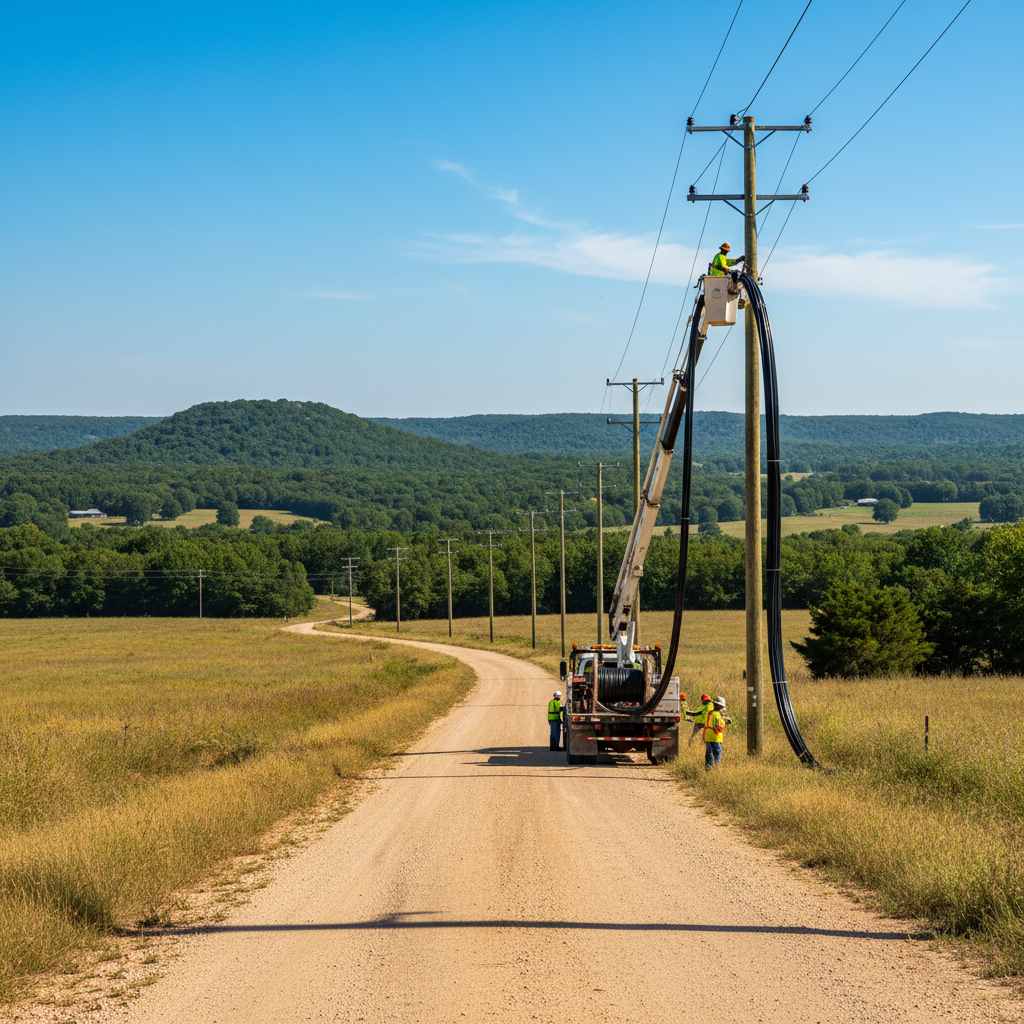
Cherokee Nation Broadband: Bridging the Digital Divide
Osiyo! Welcome to a conversation that is long overdue. For decades, while the rest of the world was zooming ahead into the digital age, much of Indian Country was left in the literal and figurative dark. If you’ve ever tried to join a Zoom meeting or submit a school assignment from a rural pocket of the reservation only to see that spinning wheel of death, you know the frustration. The Cherokee Nation Broadband initiative is changing that narrative. This isn’t just about faster Netflix streaming; it is a fundamental assertion of sovereignty, an economic engine, and a lifeline for education and healthcare. At Osiyo.net, we are an independent platform dedicated to tribal resources, and while we aren’t an official arm of the government, we are here to help you navigate these massive shifts in our community infrastructure.
Key Takeaways
- The Cherokee Nation Broadband initiative is a multi-million dollar project aimed at bringing high-speed fiber internet to unserved and underserved areas within the reservation.
- Funding is primarily sourced through the American Rescue Plan Act (ARPA) and federal grants like the NTIA Tribal Broadband Connectivity Program.
- This initiative is led by the Cherokee Nation (Oklahoma), one of the three federally recognized Cherokee tribes.
- Broadband is viewed as a “new utility,” essential for modern sovereignty, similar to water or electricity.
- The project involves building hundreds of miles of fiber-optic cable and establishing Cherokee Nation Spectrum to manage services.
Why Broadband is a Sovereignty Issue
For too long, we’ve relied on outside corporations to decide which communities are “profitable” enough to deserve high-speed access. Unsurprisingly, rural tribal lands were often at the bottom of that list. This is the digital divide in its purest form—a modern echo of historical neglect. When a Tribal Nation builds its own towers and lays its own fiber, it isn’t just installing hardware; it’s taking control of its own communication channels. Cherokee Nation Broadband represents a move away from dependency on big-box providers who have consistently failed rural citizens.
Sovereignty means the power to govern ourselves and provide for our people. In 2026, you cannot effectively govern if your citizens can’t access educational resources, apply for tribal jobs, or participate in the digital economy. By investing over $100 million into this infrastructure, the Cherokee Nation is ensuring that its citizens aren’t just consumers of technology, but owners of the networks they use.
Cherokee Nation Spectrum: Taking Control of the Airwaves
One of the most exciting developments in this space is the creation of Cherokee Nation Spectrum. This is a tribal-owned entity designed to manage the technical and commercial aspects of the broadband rollout. It’s a bold move that signals the tribe’s intent to be a permanent player in the telecommunications industry. This isn’t a temporary fix; it’s a long-term infrastructure play.
The Technical Backbone
The strategy involves a “fiber-to-the-home” (FTTH) approach. While satellite internet (like Starlink) has been a temporary band-aid for many in rural Oklahoma, fiber is the gold standard. It offers symmetrical speeds—meaning your upload is just as fast as your download—which is crucial for things like telehealth and remote work. The project involves constructing more than 15 new towers and laying hundreds of miles of fiber across the 14-county reservation area.
Funding the Future
Where is all this money coming from? It’s a mix of tribal investment and federal recognition of past inequities. Major funding sources include:
1. The American Rescue Plan Act (ARPA).
2. The National Telecommunications and Information Administration (NTIA) Tribal Broadband Connectivity Program.
3. Tribal general funds allocated by the Council of the Cherokee Nation.
How the Three Cherokee Tribes Compare on Infrastructure
It is important to remember that each of the three federally recognized Cherokee tribes is a sovereign government with its own rules, leadership, and infrastructure priorities. While the Cherokee Nation (based in Tahlequah, OK) is currently leading a massive broadband expansion, the other two nations have their own unique approaches to technology and connectivity. Always check with the specific Tribal Nation for the most accurate information on their specific programs.
| Tribal Nation | Headquarters | Broadband Focus | Primary Service Area |
|---|---|---|---|
| Cherokee Nation | Tahlequah, OK | Large-scale fiber rollout & Spectrum LLC | 14-county reservation in NE Oklahoma |
| Eastern Band of Cherokee Indians | Cherokee, NC | BalsamWest partnership & local fiber | Qualla Boundary and surrounding areas |
| United Keetoowah Band of Cherokee Indians | Tahlequah, OK | Community center connectivity & tech grants | Tribal jurisdictional areas in Oklahoma |
The Impact: More Than Just Fast Downloads
The Cherokee Nation Broadband initiative isn’t happening in a vacuum. Its effects ripple through every aspect of tribal life. When we talk about “bridging the divide,” we are talking about closing gaps in several key areas:
1. Health and Wellness
Telehealth became a necessity during the pandemic, but it’s a permanent necessity for those who live an hour away from the nearest W.W. Hastings facility. High-speed internet allows for real-time video consultations, remote monitoring of chronic conditions, and better access to mental health services without the burden of travel.
2. Education and Language Revitalization
Our language is the soul of our people. The Cherokee Nation is using digital tools to teach the language to citizens across the globe. Reliable broadband in the reservation heartland ensures that local students can access these resources, participate in scholarship opportunities, and compete in a global job market without leaving their home communities.
3. Economic Development
Broadband is a magnet for business. By providing enterprise-level connectivity, the tribe makes its reservation an attractive place for entrepreneurs and remote workers. It also allows for the growth of TERO-certified businesses that can now compete for federal and tribal contracts online. For more on how to leverage these opportunities, check out our Tribal Contracting Guide.
“Broadband is more than a convenience. It is a tool for self-determination. When we control the network, we control our future.” – A common sentiment among tribal infrastructure leaders.
Common Misconceptions About Tribal Broadband
There are a lot of myths floating around about how tribal internet works. Let’s clear a few up:
- “It’s only for people living on ‘the res’.” While the initial fiber rollout focuses on unserved areas within the 14-county reservation, the goal is to create a network that benefits the entire regional economy.
- “It will be lower quality than big-name providers.” In many cases, it will be better. Fiber-to-the-home (FTTH) is superior to the aging copper lines or congested satellite signals many commercial providers offer in rural areas.
- “It’s just free internet for everyone.” While there are programs like the Affordable Connectivity Program (ACP) that tribes help facilitate, the broadband initiative is about building the infrastructure. Service plans and costs are determined by the provider (Cherokee Nation Spectrum or their partners).
Frequently Asked Questions (FAQ)
Is Cherokee Nation Broadband available in my area yet?
The rollout is happening in phases over several years. The Cherokee Nation typically focuses on the most underserved rural areas first. You should check the official Cherokee Nation website or the Cherokee Nation Spectrum site for the most current coverage maps and sign-up forms.
Do I have to be a Cherokee citizen to get this internet?
Generally, tribal broadband initiatives aim to serve everyone within the service area (the reservation), as the fiber lines run through communities. However, certain subsidies or discount programs may be specifically reserved for tribal citizens or low-income households. Check with the provider for specific residency and eligibility requirements.
Does having an “Indian Card” or CDIB make the internet free?
Having a CDIB or tribal citizenship card does not automatically grant free internet. However, it may qualify you for federal programs like the Lifeline program or other tribal-specific assistance if those programs are active. Always verify current programs directly with the tribe.
How does this affect tribal sovereignty?
By owning the infrastructure, the Tribal Nation reduces its reliance on state and federal oversight of its communications. It allows the tribe to set its own standards for privacy, security, and access, which is a core component of modern self-governance.
Next Steps: How to Connect
If you are ready to see what the Cherokee Nation Broadband initiative can do for you, here are your next moves:
- Check Availability: Visit the official Cherokee Nation portal to search for broadband updates in your specific zip code or community.
- Update Your Contact Info: Ensure your citizenship records are up to date via the Gadugi Portal so you receive official announcements regarding new services.
- Research Subsidies: Look into the NTIA’s Tribal Broadband Connectivity Program and see if you qualify for any cost-reduction programs.
- Stay Informed: Follow the official social media channels of the Cherokee Nation and the Cherokee Nation Council for the latest on tower construction and fiber laying in your district.
- Explore More: If you are interested in how other tribal services work, visit our guide on finding official tribal websites to ensure you are getting information from the source.
The digital divide has been a wall for too long. With the current investments being made, that wall is finally coming down. Whether you’re a student, a small business owner, or an elder looking to connect with family, the expansion of high-speed internet is a win for all of Cherokee Nation. Wado for joining us on this journey of discovery!
Last reviewed: June 2026
Osiyo.net is an independently operated information platform. It is not an official website of any Tribal Nation, the Bureau of Indian Affairs, or any government agency. Always verify enrollment information directly with the specific Tribal Nation.