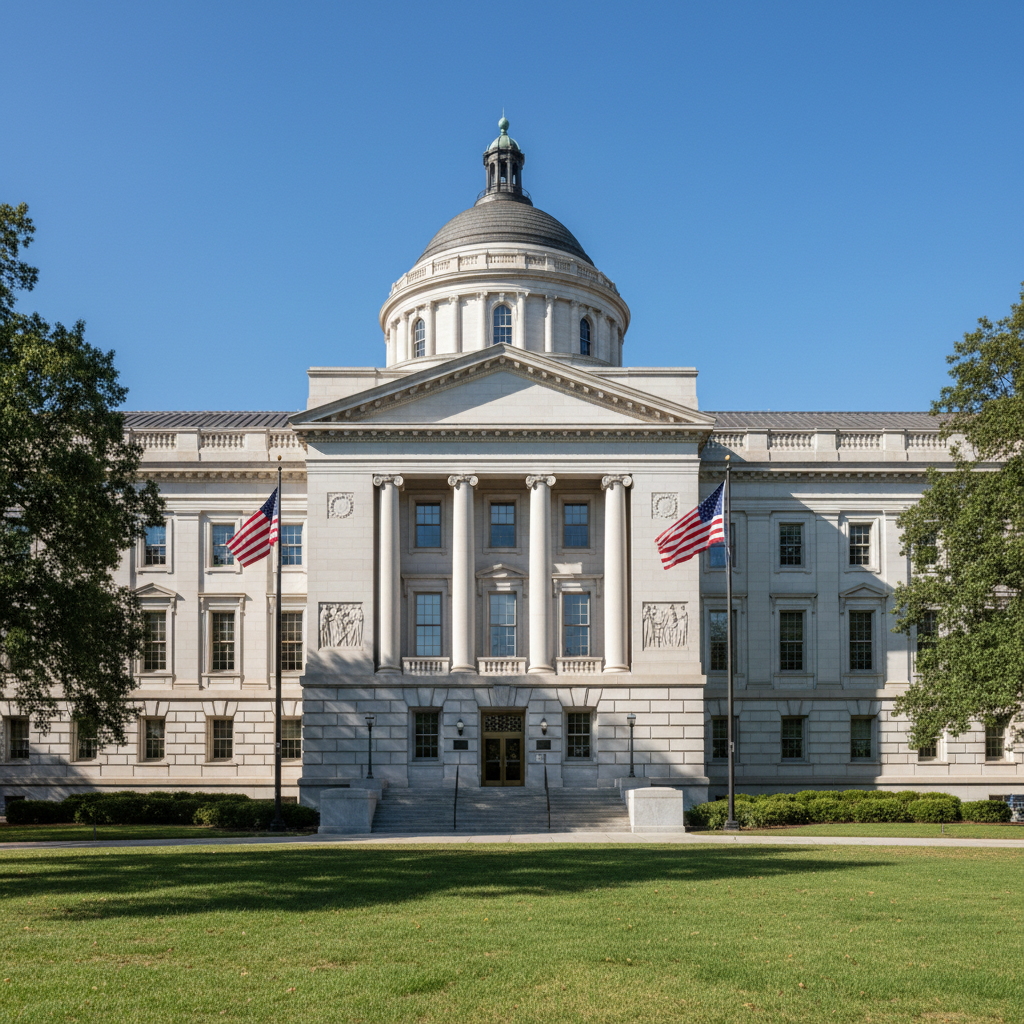
Federal Trust Responsibility and the Cherokee Nation
When you hear the term Federal Trust Responsibility, it sounds like something straight out of a law school textbook—dry, dusty, and probably boring. But if you are a citizen of a Tribal Nation or someone exploring your Cherokee heritage, this concept is the bedrock of your relationship with the United States government. It isn’t a favor. It isn’t a handout. It is a legal and moral obligation that the U.S. government owes to Tribal Nations, born from centuries of treaties, Supreme Court rulings, and, quite frankly, a lot of broken promises.
Before we dive into the deep end, let’s get the record straight: Osiyo.net is an independent information platform. We are not an official website of the Cherokee Nation, the Eastern Band of Cherokee Indians, the United Keetoowah Band of Cherokee Indians, or any government agency like the BIA. We’re here to help you navigate the complex world of tribal resources and history, but for specific enrollment or legal questions, you must contact the sovereign Tribal Nations directly. They set the rules, not us, and not the federal government.
What Exactly is the Federal Trust Responsibility?
In simple terms, the Federal Trust Responsibility is a legally enforceable fiduciary obligation on the part of the United States to protect tribal treaty rights, lands, assets, and resources. Think of it like a high-stakes contract. In exchange for the millions of acres of land that now make up the United States, the federal government promised to protect the sovereignty and well-being of Tribal Nations.
This relationship is unique. Tribal Nations are not just “ethnic groups” or “minority populations” in the eyes of the law. They are sovereign governments. The trust responsibility is the mechanism that recognizes this status, ensuring that the federal government manages tribal assets (like land and mineral rights) for the benefit of the tribes and provides essential services like healthcare and education.
The Marshall Trilogy: Where the Legal Drama Began
To understand the trust responsibility, you have to look back at the 1830s and three specific Supreme Court cases known as the Marshall Trilogy. These cases, led by Chief Justice John Marshall, defined the legal status of tribes:
- Johnson v. M’Intosh (1823): Established that while tribes had a right to occupy their land, the federal government held the “ultimate title.”
- Cherokee Nation v. Georgia (1831): This is the big one for us. Marshall famously described tribes as “domestic dependent nations” and compared their relationship with the U.S. to that of a “ward to his guardian.” While that language feels incredibly patronizing today, it created the legal basis for the government’s duty to protect.
- Worcester v. Georgia (1832): Ruled that the state of Georgia had no authority over Cherokee territory. It reinforced that tribes are distinct political communities where state laws have no force.
“The Cherokee Nation, then, is a distinct community occupying its own territory, with boundaries accurately described, in which the laws of Georgia can have no force… but with the assent of the Cherokees themselves, or in conformity with treaties, and with the acts of congress.” — Chief Justice John Marshall
The Three Federally Recognized Cherokee Tribes
When we talk about the federal trust responsibility in a Cherokee context, we have to recognize that the government’s obligations extend to three distinct, sovereign entities. It is a common mistake to think there is only one “Cherokee Tribe.” In reality, there are three federally recognized Cherokee tribes, each with its own government, constitution, and relationship with the United States:
- Cherokee Nation: Headquartered in Tahlequah, Oklahoma, this is the largest of the three.
- Eastern Band of Cherokee Indians (EBCI): Based in Cherokee, North Carolina, on the Qualla Boundary.
- United Keetoowah Band of Cherokee Indians (UKB): Also headquartered in Tahlequah, Oklahoma.
Each of these nations interacts with the federal government through the Department of the Interior and the Bureau of Indian Affairs (BIA). Each nation manages its own enrollment, and the trust responsibility applies to each of them based on their specific histories and treaties. If you are researching your roots, understanding which nation your ancestors belonged to is critical. You can start that journey by looking into how to research Cherokee ancestry properly.
Key Takeaways
- Legal Obligation: The trust responsibility is a legal duty, not a social program. It is based on treaties and federal law.
- Sovereignty: Tribal Nations are sovereign governments with the right to self-govern.
- Scope: The trust covers land, water rights, minerals, and the provision of services like the Indian Health Service (IHS).
- Accountability: The U.S. government has historically failed this responsibility many times, leading to major lawsuits like the Cobell settlement.
The Reality of the “Guardian-Ward” Relationship
Let’s get edgy for a second. While the legal theory of “trust” sounds protective, the historical reality has often been a tool for dispossession. For much of the 19th and 20th centuries, the federal government used the “ward” status to control tribal life, kidnap children for boarding schools, and mismanage tribal funds. The Dawes Act of 1887 is a prime example, where the government broke up communal tribal lands into individual allotments to force assimilation and open “surplus” land to white settlers.
Even in modern times, the trust responsibility is a double-edged sword. On one hand, it guarantees funding for healthcare and education. On the other, it often involves a bureaucratic maze at the BIA that can hinder tribal economic development. Managing “trust land” means the federal government has to sign off on almost everything—from leasing land for a farm to putting up a cell tower. This is why many tribes, including the Cherokee Nation, have moved toward Self-Governance, taking over the administration of federal programs themselves.
Trust Responsibility in Action: A Comparison
| Area of Trust | Federal Obligation | Modern Reality |
|---|---|---|
| Land & Resources | Protecting tribal land base and managing minerals/water. | Frequent legal battles over water rights and pipeline placements. |
| Healthcare | Providing health services through the Indian Health Service (IHS). | IHS is historically underfunded compared to other federal health programs. |
| Education | Funding tribal schools and scholarships. | A shift toward tribally-controlled schools and scholarship resources. |
| Law Enforcement | Providing or funding public safety on tribal lands. | Complex jurisdictional issues (see the McGirt v. Oklahoma decision). |
The 2020 Supreme Court decision in McGirt v. Oklahoma is a massive modern example of the trust responsibility and sovereignty in action. The court ruled that much of eastern Oklahoma remains a reservation, affirming that the federal government’s promises in treaties with the Five Tribes (including the Cherokee Nation) were never legally extinguished by Congress.
Researching Your Connection to the Trust
If you are looking for your ancestors to see if you have a claim to tribal citizenship, you are essentially looking for your place within this trust relationship. Most Cherokee research begins with the Dawes Rolls, which were created to track those who were entitled to land allotments under the trust responsibility at the turn of the 20th century.
Remember, being “eligible” is not up to us. It’s up to the tribe. Each nation has different rules—some use blood quantum, while others use lineal descent. You should check out our guide on CDIB vs. Tribal Citizenship to understand the difference between a federal identification card and actual tribal membership.
FAQ: Frequently Asked Questions
What happens if the government breaks the trust responsibility?
Tribal Nations can and do sue the federal government. The most famous case is Cobell v. Salazar, a class-action lawsuit where the government had to pay $3.4 billion because it mismanaged trust accounts belonging to hundreds of thousands of individual Native Americans for over a century.
Does the trust responsibility mean I get a monthly check?
No. This is a common myth. The trust responsibility covers government-to-government obligations. While some individuals may receive “per capita” payments if their tribe has specific revenue-sharing agreements (like gaming), most trust benefits come in the form of services like healthcare, education, and infrastructure.
Is Osiyo.net a part of the BIA?
Absolutely not. We are an independent platform. We provide information and context, but for official government business or BIA services, you need to visit BIA.gov or your specific tribal headquarters.
Can the federal government end the trust responsibility?
In theory, Congress has “plenary power” over Indian affairs and could attempt to terminate the relationship—which they actually tried to do during the “Termination Era” of the 1950s. However, it was a disaster, and today the policy of the United States is to support Tribal Self-Determination.
Next Steps: Where to Go From Here
Understanding the legal framework is just the beginning. If you want to dive deeper into how this affects your family or your search for ancestors, here is what you should do next:
- Check the Records: Use our guide to searching the Final Rolls to see if your ancestors were part of the allotment process.
- Contact the Tribes: Reach out to the official tribal nation websites to learn about their specific enrollment requirements and how they view their trust relationship with the U.S.
- Educate Yourself on Sovereignty: Read up on the Indian Self-Determination and Education Assistance Act of 1975, which changed the game for how tribes manage their own affairs.
- Stay Informed: Follow current legal cases regarding the Indian Child Welfare Act (ICWA) and tribal land rights, as these are the modern front lines of the trust responsibility.
The Federal Trust Responsibility is a living, breathing legal concept. It is the reason the Cherokee Nation and other tribes have survived through centuries of pressure to disappear. By understanding it, you aren’t just learning history—you’re learning about the very foundation of tribal identity in the eyes of the law.
Last reviewed: June 2026
Osiyo.net is an independently operated information platform. It is not an official website of any Tribal Nation, the Bureau of Indian Affairs, or any government agency. Always verify enrollment information directly with the specific Tribal Nation.