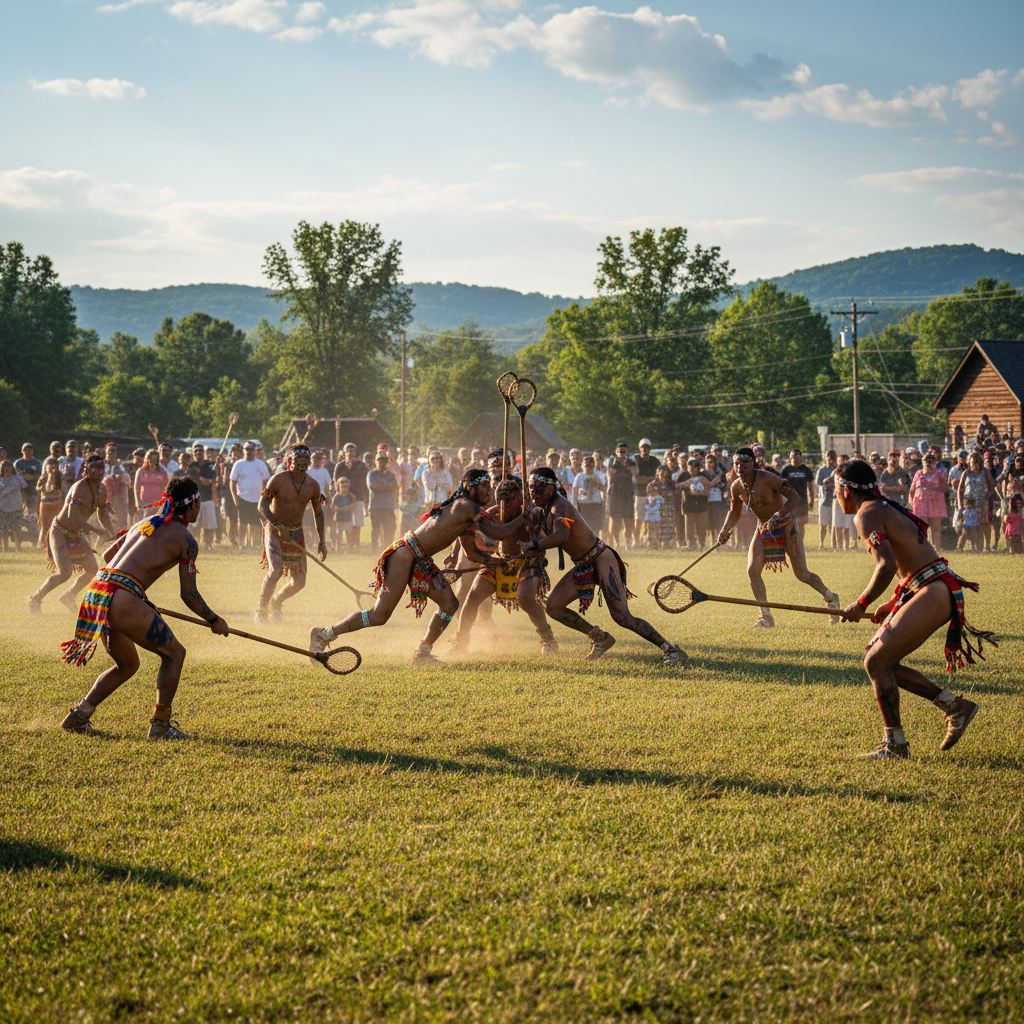
Music in Cherokee Ceremonies and Stomp Grounds
Osiyo! If you have ever stood near a crackling fire as the sun dips below the horizon, hearing the rhythmic, metallic clatter of shell shakers and the deep, pulsing call-and-response of a lead singer, you know that music in Cherokee ceremonies is less about performance and more about the heartbeat of a living culture. It is not just “music” in the Western sense of entertainment; it is prayer, history, and community cohesion wrapped into one. Before we dive deep into the rhythm of the Stomp Ground, let’s get one thing clear: Osiyo.net is an independent information platform. We are not an official arm of any Tribal Nation or government agency. We are here to guide you through the rich tapestry of Cherokee life with accuracy and a bit of an edge.
The Pulse of the People: Understanding the Stomp Ground
To understand Cherokee music, you have to understand the Stomp Ground. This is the traditional ceremonial space for many Cherokee people, particularly those within the Cherokee Nation and the United Keetoowah Band of Cherokee Indians in Oklahoma, as well as cultural practitioners within the Eastern Band of Cherokee Indians in North Carolina. Each of these three federally recognized tribes is a sovereign government with its own unique history and specific rules for citizenship. You can learn more about these distinctions in our guide to the three federally recognized Cherokee tribes.
Music at a Stomp Ground is not played on a stage. There are no amplifiers, no electric guitars, and—contrary to every Hollywood trope you’ve ever seen—no big “powwow” drums. Instead, the music is organic. It is fueled by the Sacred Fire at the center of the ground and the voices of the people circling it. The “instruments” are the bodies of the participants and the shells worn by the women.
The Shell Shakers: The Rhythmic Engine
In Cherokee Stomp Dance tradition, the women are the percussionists. They wear “shakers” on their lower legs, traditionally made from dried tortoise shells filled with small stones or, more commonly today, condensed milk cans or juice cans filled with pebbles or buckshot. As they move in a rhythmic trot around the fire, they provide the steady, driving beat that keeps the entire ceremony in sync.
Tradition isn’t a museum piece; it’s a living practice. While tortoise shells remain the high standard for ceremonial use, the adaptation to metal cans is a testament to Cherokee resilience and the ability to maintain the spirit of the dance despite historical upheaval.
The role of the shell shaker is one of immense physical and spiritual endurance. They are the heartbeat. Without them, there is no dance. This isn’t just a “cool sound”—it’s a foundational element of Cherokee sovereignty and identity that has survived forced removals, boarding schools, and federal attempts to erase Indigenous culture.
The Structure of the Song: Call and Response
Cherokee ceremonial music is primarily vocal and follows a call-and-response structure. A male leader begins a verse, and the rest of the men in the circle respond in unison. This isn’t just about singing; it’s about collective participation. You aren’t just an observer at a Stomp Ground; if you are out there, you are part of the sound.
The lyrics often consist of “vocables”—sounds that carry deep spiritual meaning but do not necessarily translate into everyday Cherokee words—as well as specific Cherokee language phrases. These songs are ancient, passed down through generations via oral tradition. This is why you won’t find “official” sheet music for these ceremonies at the local library. They are lived experiences.
The Green Corn Ceremony
One of the most significant times for music is the Green Corn Ceremony (Selu-utse-ti). This is a time of renewal, forgiveness, and the beginning of the new year. The music during this time is particularly potent, signaling the purification of the community. It’s a moment where the past is wiped clean, and the songs carry the weight of that transformation. If you are interested in how these traditions connect to family histories, check out our resource on questions for elders about family history.
Musical Instruments in Cherokee Culture
While the Stomp Ground focuses on the voice and the shell shakers, Cherokee musical heritage does include other instruments used in different contexts (social dances, storytelling, or modern folk interpretation). It is important to distinguish between ceremonial music and social or folk music.
| Instrument | Traditional Material | Context/Use |
|---|---|---|
| Shell Shakers | Box Turtle Shells / Metal Cans | Ceremonial (Stomp Dance) – Only worn by women. |
| Water Drum | Clay or Wood with deerskin head | Social dances and specific traditional songs. |
| River Cane Flute | Native River Cane | Personal reflection, storytelling, and social music. |
| The Voice | Human Spirit | Universal across all ceremonial and social contexts. |
The River Cane Flute is a beautiful example of Cherokee craftsmanship. Unlike the six-hole flutes often marketed in New Age shops, traditional Cherokee flutes often have a specific internal block system and are made from the river cane native to the Southeast. However, you won’t usually hear a flute at a Stomp Ground ceremony. Mixing these up is a common mistake made by those who haven’t done their homework.
Key Takeaways
- Sovereignty Matters: Cherokee music is an expression of the sovereignty of the three federally recognized Cherokee tribes. Each nation has its own cultural protocols.
- Gendered Roles: In the Stomp Dance, women provide the percussion (shell shakers) while men provide the lead vocals (call and response).
- Organic Instruments: Traditional ceremonial music relies on the voice, turtle shells, and the rhythm of the dance, rather than the large drums seen in other tribal cultures.
- Sacred Context: Ceremonial songs are often tied to specific times of year, such as the Green Corn Ceremony, and are considered sacred acts of worship and community.
- Respect the Space: Many ceremonial songs are not intended to be recorded or commercialized. If you are visiting tribal communities, always ask before taking photos or recordings.
The Edge: Calling Out the “Plastic” Flutes and Fake Ceremonies
Let’s get real for a second. There is a massive market for “Native American Meditation Music” that features pan-pipes, synthesizers, and generic drumming. Most of this has nothing to do with actual Cherokee culture. It’s a commercialized, diluted version of Indigenous identity sold to people looking for a “spiritual” aesthetic. Real Cherokee music is gritty. It’s the sound of feet hitting the red earth. It’s the sound of smoke-strained voices at 3:00 AM. It’s the sound of a people who refused to be silenced by the Trail of Tears or the pressures of assimilation.
When you see someone claiming to perform “Cherokee Shamanic Drumming,” run the other way. First, the term “shaman” isn’t ours. Second, our music belongs to our people and our grounds. It isn’t a commodity to be sold at a gift shop. If you’re looking for the real deal, look toward the cultural departments of the Cherokee Nation, the Eastern Band of Cherokee Indians, or the United Keetoowah Band.
FAQ: Frequently Asked Questions
Can I buy Cherokee Stomp Dance songs on CD?
While some social songs and hymns sung in the Cherokee language are available commercially (such as those by the Cherokee National Choir), true ceremonial Stomp Dance songs are rarely recorded for commercial sale. They are considered sacred and are meant to be experienced in person at the ground.
Why don’t Cherokee people use big drums in ceremonies?
Different Tribal Nations have different traditions. The large “Big Drum” or “Bass Drum” is more characteristic of Plains-style cultures and the modern Powwow circuit. Cherokee ceremonial music is historically rooted in the Southeastern style, which emphasizes the water drum (for social songs) and shell shakers (for ceremonies).
Are the songs sung in English or Cherokee?
Ceremonial songs at the Stomp Ground are sung in the Cherokee language or use vocables. The use of the Cherokee language in song is a vital part of language preservation efforts. Many citizens learn the songs before they even become fluent in daily conversation. If you are researching your own ancestry to see if you have a connection to these traditions, you might start with our guide on finding ancestors for tribal enrollment.
Can anyone attend a Stomp Dance?
This depends entirely on the specific ground and the Tribal Nation. Some grounds are more private, while others may allow visitors if they are invited or if it is a public-facing event. Always remember that these are religious services, not tourist attractions. Dress modestly, follow all rules, and never record anything without explicit permission.
Where to Go From Here
If you’re feeling a pull toward the rhythm of your ancestors or simply want to learn more about the authentic culture of the Cherokee people, here are your next steps:
- Research Your Heritage: If you believe you have Cherokee ancestry, start with the Final Rolls search to see if your ancestors were documented during the Dawes commission.
- Support Official Channels: Listen to the Cherokee National Choir or visit the Cherokee Nation’s cultural sites to hear authentic social songs and language.
- Learn the Language: Music and language are inseparable. Explore Cherokee language apps and classes offered by the three tribes.
- Contact the Tribes Directly: For questions about enrollment or specific cultural protocols, always reach out to the official tribal government offices. They are the only ones who can determine eligibility and provide official guidance.
Music is the thread that ties the past to the present. Whether it’s the rattle of the shells or the harmony of a Cherokee hymn, these sounds remind us that the Cherokee people are still here, still sovereign, and still singing.
Last reviewed: June 2026
Osiyo.net is an independently operated information platform. It is not an official website of any Tribal Nation, the Bureau of Indian Affairs, or any government agency. Always verify enrollment information directly with the specific Tribal Nation.