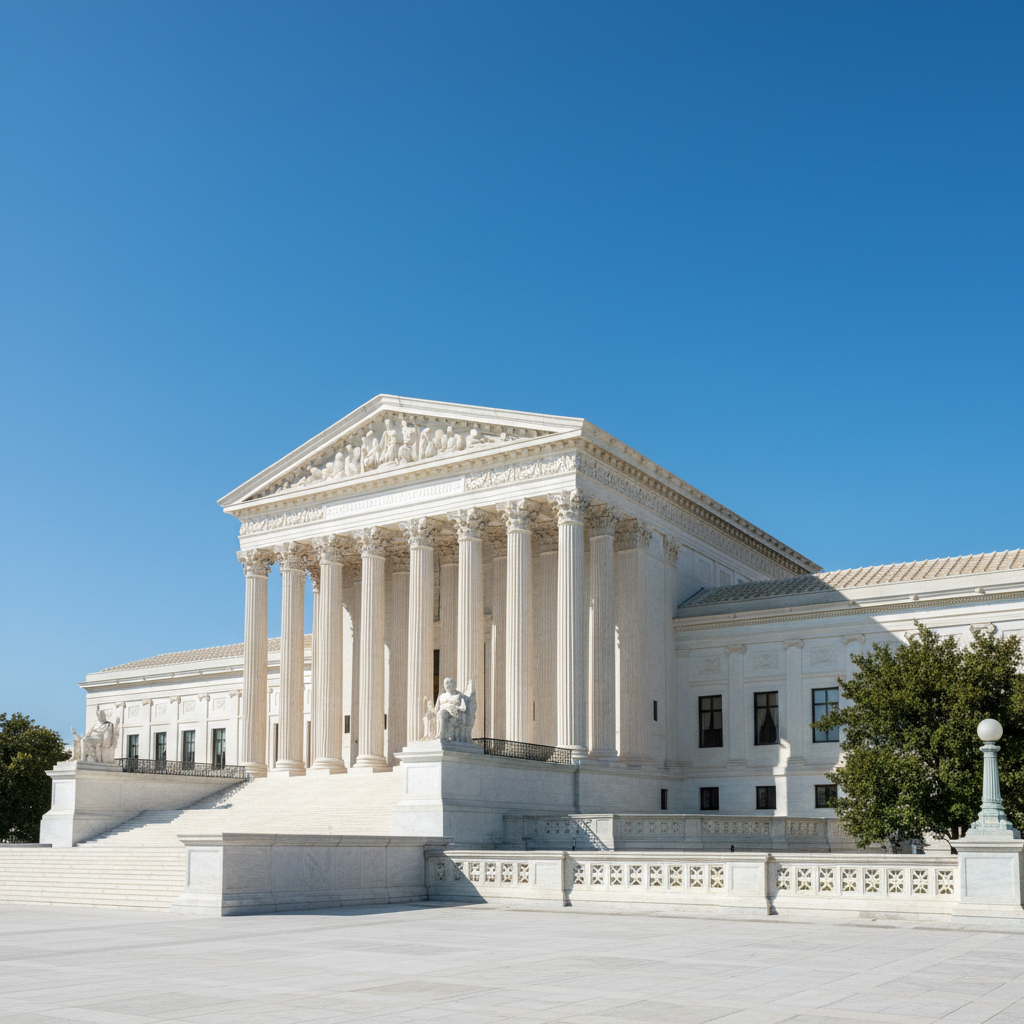
Cherokee Nation v. Georgia: The Case That Defined Tribal Sovereignty
Osiyo! Welcome to a deep dive into one of the most pivotal, frustrating, and legally fascinating moments in American history. If you’ve ever wondered why Tribal Nations are called “nations” while existing within the United States, or why legal battles over land and rights feel like they’ve been going on forever, Cherokee Nation v. Georgia (1831) is the origin story you need to know.
This wasn’t just a dusty court case; it was a high-stakes showdown. On one side, you had a sovereign Tribal Nation with its own constitution and laws. On the other, a state government (Georgia) hell-bent on seizing land and an American President (Andrew Jackson) who didn’t care much for Supreme Court rulings that got in his way. This case laid the groundwork for modern federal Indian law and gave us the term “domestic dependent nations.”
Before we dive in, a quick reminder: Osiyo.net is an independent platform for information and community. We are NOT an official government website or an official arm of the Cherokee Nation, the Eastern Band of Cherokee Indians, or the United Keetoowah Band of Cherokee Indians. Tribal sovereignty is real, and each nation sets its own rules for enrollment. Always check with the specific Tribal Nation for official matters.
Key Takeaways: Why This Case Matters
| Key Aspect | The Bottom Line |
|---|---|
| The Core Conflict | Georgia tried to abolish Cherokee laws and seize their land; the Cherokee Nation sued to stop them. |
| The Ruling | The Supreme Court refused to hear the case, claiming the Cherokee Nation wasn’t a “foreign state” but a “domestic dependent nation.” |
| The Legal Legacy | Established the “trust relationship” where the U.S. government has a duty to protect Tribal interests (even when it fails at it). |
| The Sequel | Led directly to Worcester v. Georgia (1832), which the Cherokee technically won, though the Trail of Tears followed anyway. |
The Setup: A Sovereign Nation Under Siege
By the late 1820s, the Cherokee Nation was doing everything “by the book” according to American standards. They had a written language (thanks to Sequoyah), a newspaper (The Cherokee Phoenix), and a constitutional government modeled after the U.S. system. They were a sophisticated, literate, and organized sovereign power. You can learn more about how that identity continues today by exploring the three federally recognized Cherokee tribes.
But Georgia didn’t care about sophisticated governance; they cared about gold and cotton. In 1828, gold was discovered in Cherokee territory. Georgia quickly passed a series of laws that essentially declared Cherokee laws null and void, prohibited Cherokees from testifying against white people in court, and prepared to distribute Cherokee land via a lottery.
The Cherokee Nation didn’t pick up rifles; they picked up law books. Led by Principal Chief John Ross and represented by former U.S. Attorney General William Wirt, they took the State of Georgia straight to the Supreme Court. They argued that they were a foreign nation and that Georgia’s laws violated treaties they had signed with the U.S. government.
The Ruling: “Domestic Dependent Nations”
In 1831, Chief Justice John Marshall delivered the opinion of the Court. It was a classic case of “I have good news and bad news.”
The bad news? The Court refused to grant the injunction the Cherokee Nation wanted. Marshall argued that the Cherokee Nation was not a “foreign state” in the sense meant by the Constitution. Because they weren’t a foreign state, the Supreme Court didn’t have “original jurisdiction” to hear the case. Case dismissed. Sort of.
The “good” news (if you can call it that) was how Marshall described the Cherokee. He didn’t call them subjects or mere residents. He coined the term “domestic dependent nations.” He described the relationship between Tribal Nations and the U.S. as that of a “ward to his guardian.”
This created the Trust Doctrine. It acknowledged that while Tribal Nations weren’t totally independent from the U.S., they were still distinct political entities with a right to their lands. It was a messy, paternalistic compromise that still haunts and helps Tribal legal battles today. If you’re looking into your own connection to this history, you might start by researching Cherokee ancestry through official records.
The Fallout and Worcester v. Georgia
The Cherokee Nation didn’t stop with this partial defeat. They knew the logic of Cherokee Nation v. Georgia left the door open. A year later, they backed a missionary named Samuel Worcester in Worcester v. Georgia (1832). This time, the Court was forced to rule on the merits of Georgia’s laws.
Marshall finally went all in: he ruled that Georgia had no authority over Cherokee territory. He stated that the Cherokee Nation was a distinct community where the laws of Georgia had no force. It was a total victory on paper. But as history shows, a court ruling is only as good as the person willing to enforce it.
President Andrew Jackson famously (and likely apocryphally) said, “John Marshall has made his decision; now let him enforce it.” Jackson refused to use federal troops to protect the Cherokee from Georgia’s encroachment. This blatant disregard for the rule of law led directly to the forced removal known as the Trail of Tears. It is a stark reminder that tribal sovereignty has always been something Tribal Nations have had to fight to maintain against federal and state pressure. You can read more about these rules and how they vary today in our guide on tribal citizenship rules.
The Marshall Trilogy: The Foundation of Indian Law
Cherokee Nation v. Georgia is the middle child of the “Marshall Trilogy,” three cases that define the legal status of Tribal Nations in the U.S. to this day:
- Johnson v. M’Intosh (1823): Established the “Doctrine of Discovery,” claiming that European “discovery” gave colonial powers title to the land, leaving Tribes with only a right of occupancy. (Yeah, it’s as problematic as it sounds.)
- Cherokee Nation v. Georgia (1831): Defined Tribes as “domestic dependent nations.”
- Worcester v. Georgia (1832): Clarified that states have no jurisdiction over Tribal lands, establishing the federal-tribal relationship as exclusive.
If you are exploring your own heritage or looking for ancestors in tribal enrollment records, understanding this legal framework helps explain why records were kept the way they were—often by federal agents rather than the Tribes themselves.
FAQ: Common Questions About Cherokee Nation v. Georgia
Did the Cherokee Nation win or lose the case?
Technically, they lost because the Court refused to hear the case on jurisdictional grounds. However, the language used in the ruling established that Tribes are “nations,” which provided the legal foundation for the victory in Worcester v. Georgia a year later.
What does “domestic dependent nation” mean?
It’s a legal paradox. It means Tribal Nations are sovereign and self-governing (nations), but they exist within the borders of the U.S. and are subject to federal protection and authority (domestic and dependent).
Who was the Chief Justice during this case?
John Marshall, the longest-serving Chief Justice in U.S. history. His rulings in the “Marshall Trilogy” remain the bedrock of federal Indian law.
How did this case lead to the Trail of Tears?
While the Court eventually ruled in favor of the Cherokee in Worcester v. Georgia, the federal government’s refusal to enforce that ruling gave Georgia the green light to continue harassing the Cherokee, eventually leading to the Treaty of New Echota and forced removal.
Next Steps: Digging Deeper
If this history sparks a desire to learn more about your own connections or the legal standing of Tribal Nations, here is where you should go next:
- Read the Full Opinion: Visit Oyez.org to read the Supreme Court transcripts and summaries.
- Verify Ancestry: If you believe you have Cherokee heritage, check the National Archives for the Dawes Rolls, but remember that DNA tests are not accepted for tribal citizenship.
- Contact the Tribes: For official citizenship questions, contact the official tribal government websites of the Cherokee Nation, EBCI, or UKB.
- Explore Sovereign Rights: Learn about what an Indian Card (CDIB) actually is and what it isn’t.
History isn’t just about what happened in 1831; it’s about how those legal definitions shape the rights of Tribal citizens today. The fight for sovereignty didn’t end with John Marshall, and it certainly didn’t end at the Supreme Court.
Last reviewed: June 2026
Osiyo.net is an independently operated information platform. It is not an official website of any Tribal Nation, the Bureau of Indian Affairs, or any government agency. Always verify enrollment information directly with the specific Tribal Nation.