

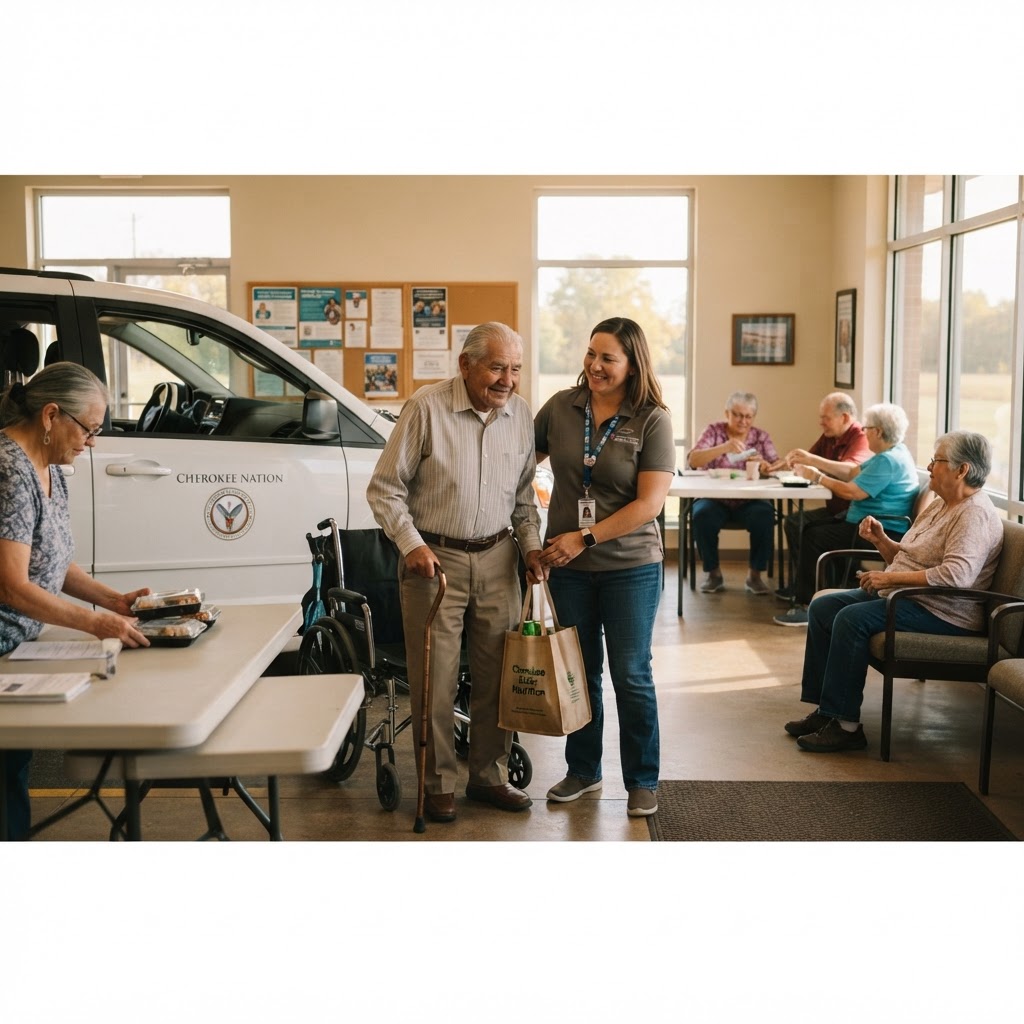
Empowering Our Wisdom Keepers: A Guide to Cherokee Nation Elder Services
In Cherokee culture, our elders—our agayvluga—are not just a demographic. They are the living libraries of our language, the stewards of our sovereignty, and the heartbeat of our communities. For too long, the Western narrative has treated elderly care as a burden to be managed or a cost to be minimized. But within the Cherokee Nation and its sister tribes, the United Keetoowah Band of Cherokee Indians (UKB) and the Eastern Band of Cherokee Indians (EBCI), elder services are a fundamental expression of tribal sovereignty.
Navigating the web of nutrition, transportation, and health programs can feel like trekking through a dense forest without a map. Whether you are an elder looking for community or a family member seeking support for a loved one, understanding what is available—and how it differs across the three federally recognized Cherokee tribes—is crucial. This guide breaks down the essential services provided to those who have paved the way for the Tsalagi people.
Key Takeaways
- Holistic Care: Cherokee elder services go beyond medical needs, focusing on nutritional sovereignty and social connection.
- Tribal Distinctions: While the Cherokee Nation (Tahlequah) has the largest infrastructure, the UKB and EBCI offer specialized programs tailored to their specific jurisdictions.
- Sovereign Transit: Tribal transportation programs are a lifeline for rural elders, providing access to healthcare and essential shopping.
- Independence First: The goal of most programs is to keep elders in their homes and communities as long as possible.
The Sovereign Duty: Why Tribal Elder Services Matter
Before we dive into the specific programs, let’s address the “why.” Tribal governments don’t provide these services just because of federal mandates. They provide them because our survival depends on the health and presence of our elders. During the era of removal and subsequent colonization, the disruption of traditional family structures meant the federal government took on certain trust responsibilities. Today, through self-governance compacts, the Cherokee Nation and other tribes have taken the reins, managing these programs more efficiently than the BIA ever could.
It is important to note that Osiyo.net is an independently operated information platform. While we strive for accuracy, you should always verify specific program details with the respective tribal governments.
Nutritional Sovereignty: More Than Just a Meal
Food is medicine, and for Cherokee elders, communal meals are a form of social medicine. The Cherokee Nation Elderly Nutrition Program operates numerous sites across the 14-county reservation. These aren’t just “cafeterias”; they are hubs for language exchange and community organizing.
Elderly Nutrition Sites (CN)
The Cherokee Nation provides hot, nutritious meals to seniors aged 55 and older. These sites offer congregate meals, which encourage social interaction, and home-delivered meals for those who are homebound. This isn’t charity; it’s a commitment to ensuring that no elder who helped build this nation goes hungry.
UKB Elder Nutrition
The United Keetoowah Band also prioritizes nutrition through their own specific programs. Often, the UKB focuses on a tight-knit community approach, ensuring that Keetoowah elders receive culturally appropriate foods and consistent check-ins from tribal staff. If you are exploring your tribal connections, understanding these distinctions is vital.
EBCI Nutritional Outreach
In the mountains of North Carolina, the Eastern Band of Cherokee Indians operates senior centers that blend traditional foods with modern nutritional standards. Their programs are integrated with the Qualla Boundary’s unique geography, ensuring that even those in the most remote coves are reached.
Transportation: Bridging the Gap in Rural Areas
One of the biggest hurdles for elders in Indian Country is geography. The Cherokee Nation’s reservation spans thousands of square miles of often rugged terrain. Without reliable transportation, an elder is effectively cut off from their healthcare, their family, and their culture.
- Cherokee Nation Transit: This program provides demand-response transit for elders. It’s not just a bus; it’s a door-to-door service that assists elders with medical appointments, grocery shopping, and visits to tribal offices.
- Medical Travel: For specialized care that requires traveling outside the reservation, the tribe often provides assistance to ensure that financial barriers don’t prevent an elder from seeing a specialist.
- EBCI Transit: The EBCI provides robust transit services within the Qualla Boundary, ensuring that elders can access the Cherokee Indian Hospital and other essential services.
“A nation is not defeated until the hearts of its women are on the ground. A nation is not lost until its elders are forgotten.” — Traditional Cherokee Wisdom.
Comprehensive Care: Home Health and Long-Term Support
The ultimate goal for Cherokee elder services is to honor the elder’s desire for independence. Most Tsalagi elders want to remain on their land, in their homes, surrounded by their families. This is where Home Health and PACE programs come in.
PACE (Program of All-Inclusive Care for the Elderly)
The Cherokee Nation’s PACE program is a game-changer. It’s a comprehensive managed care model that provides all necessary medical and social services to qualifying elders. By integrating primary care, physical therapy, and even social activities into one plan, the tribe reduces the stress on families and keeps elders out of nursing homes longer.
Tsali Care Center (EBCI)
When high-level skilled nursing is required, the EBCI’s Tsali Care Center stands as a model for tribal long-term care. It focuses on maintaining the dignity of the residents, incorporating Cherokee culture into the daily routine, and ensuring that the staff understands the specific historical trauma and cultural needs of the residents.
Comparison of Elder Services Across the Three Nations
| Service Category | Cherokee Nation (OK) | United Keetoowah Band (OK) | Eastern Band (NC) |
|---|---|---|---|
| Nutrition | Extensive network of 14-county sites. | Community-focused meal programs. | Senior centers with Qualla Boundary focus. |
| Transportation | Fixed-route and demand-response transit. | Direct transport for tribal members. | Specialized transit for EBCI residents. |
| Healthcare | PACE program and tribal health centers. | Coordination with IHS and tribal clinics. | Tsali Care Center & Cherokee Indian Hospital. |
| Legal Aid | Elder protective services and advocacy. | Referral and basic advocacy. | Legal assistance through tribal courts. |
Misconceptions About Tribal Elder Services
Let’s clear the air. There is a persistent myth that tribal members receive “free everything” from the government. This is a reductive and harmful stereotype. These programs are funded through a combination of tribal business revenue (like gaming and federal contracting), federal block grants, and Indian Health Service (IHS) allocations. They are not “handouts”; they are the fulfillment of treaty obligations and the exercise of tribal leadership and management.
Another misconception is that one “Cherokee card” covers all three tribes. While there are shared histories, each tribe has its own specific enrollment criteria and service boundaries. An elder must generally be a citizen of the specific tribe providing the service, and in many cases, they must reside within that tribe’s jurisdictional area. For more on the complexities of tribal identity, see our guide on the Indian Card and Cherokee Citizenship.
Next Steps: Accessing Services
If you or a loved one are ready to explore these services, here is how to start:
- Verify Citizenship: Ensure your documentation is up to date. If you need to research your ancestry, you can begin with a Final Rolls search.
- Contact the Aging & Senior Programs Office: For the Cherokee Nation, this is the primary point of contact for nutrition and home health.
- Assess Transportation Needs: Don’t wait for a medical emergency to figure out the transit schedule. Register for tribal transit services early.
- Explore Educational Opportunities: Many elder programs offer classes on traditional crafts or language. Check out the education section for more.
Frequently Asked Questions (FAQ)
1. Can a Cherokee Nation citizen access EBCI elder services?
Generally, no. Most elder services, particularly those funded by specific tribal budgets or localized grants, are reserved for the citizens of that specific nation who reside within their jurisdiction. However, emergency healthcare through IHS may be accessible at any IHS-funded facility.
2. What is the minimum age for Cherokee elder services?
While “elder” status can be culturally subjective, most tribal programs define it as 55 or 60 years of age for service eligibility. It is best to check the specific program requirements on cherokee.org.
3. Are there services for non-Cherokee spouses of elders?
Some programs, like congregate meals at nutrition sites, may allow spouses to participate for a small fee or under specific grant guidelines, but primary medical and home care services are usually restricted to tribal citizens.
4. How do these programs address the Cherokee language?
Many senior centers serve as unofficial immersion sites. The Cherokee Nation specifically integrates language preservation into their elder programs, recognizing that our elders are the primary fluent speakers remaining. You can read more about these efforts in our community stories.
A Legacy of Care
The strength of the Cherokee people has always been our ability to adapt while holding fast to our core values. By investing in robust elder services, the Three Nations are doing more than providing healthcare; they are preserving the very essence of what it means to be Tsalagi. As we move forward, the challenge will be to ensure these programs remain funded and accessible, despite shifting federal policies and economic climates.
Explore more about our history and resilience at our home page or learn about opportunities to support tribal initiatives. Our elders gave us our past; it is our duty to ensure they are part of our future.
Last reviewed: June 2026
Osiyo.net is an independently operated information platform. Always verify enrollment information directly with the specific Tribal Nation.